How New Technology Is Transforming Human-Computer Interaction in 2025
What Human-Computer Interaction Means Today
Human-computer interaction (HCI) now focuses on seamless communication between people and digital systems. It goes beyond screens and keyboards emphasizing natural intuitive and efficient ways for users to engage with technology.
Key Technological Forces Driving the Change
AI automation advanced sensors and connectivity are reshaping how systems respond to human inputs. Devices now anticipate user needs and adapt to individual behaviors.
How User Expectations Have Evolved
Users expect instant responses personalized experiences and interfaces that require minimal effort. Convenience accuracy and speed have become standard requirements.
Breakthrough Technologies Reshaping HCI
AI and Machine Learning for Smarter Interactions
AI and machine learning allow systems to learn from user actions and deliver personalized recommendations predictive input and automated support.
Natural Language Processing and Voice Interfaces
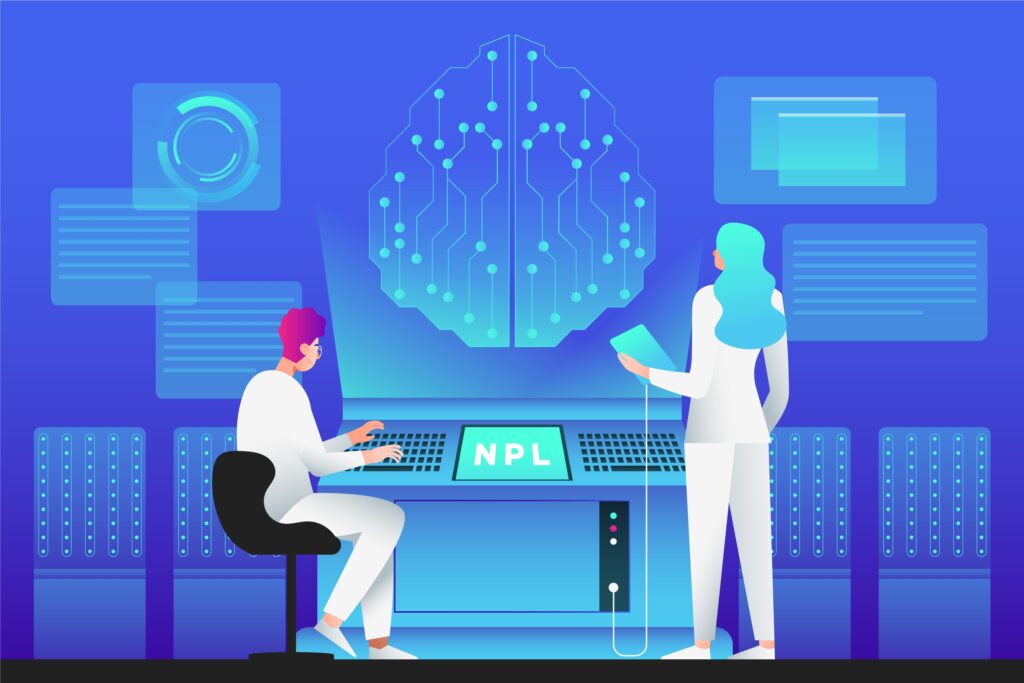
Voice assistants use natural language processing to understand commands answer questions and execute tasks creating a hands-free natural interaction style.
AR and VR for Immersive Digital Experiences
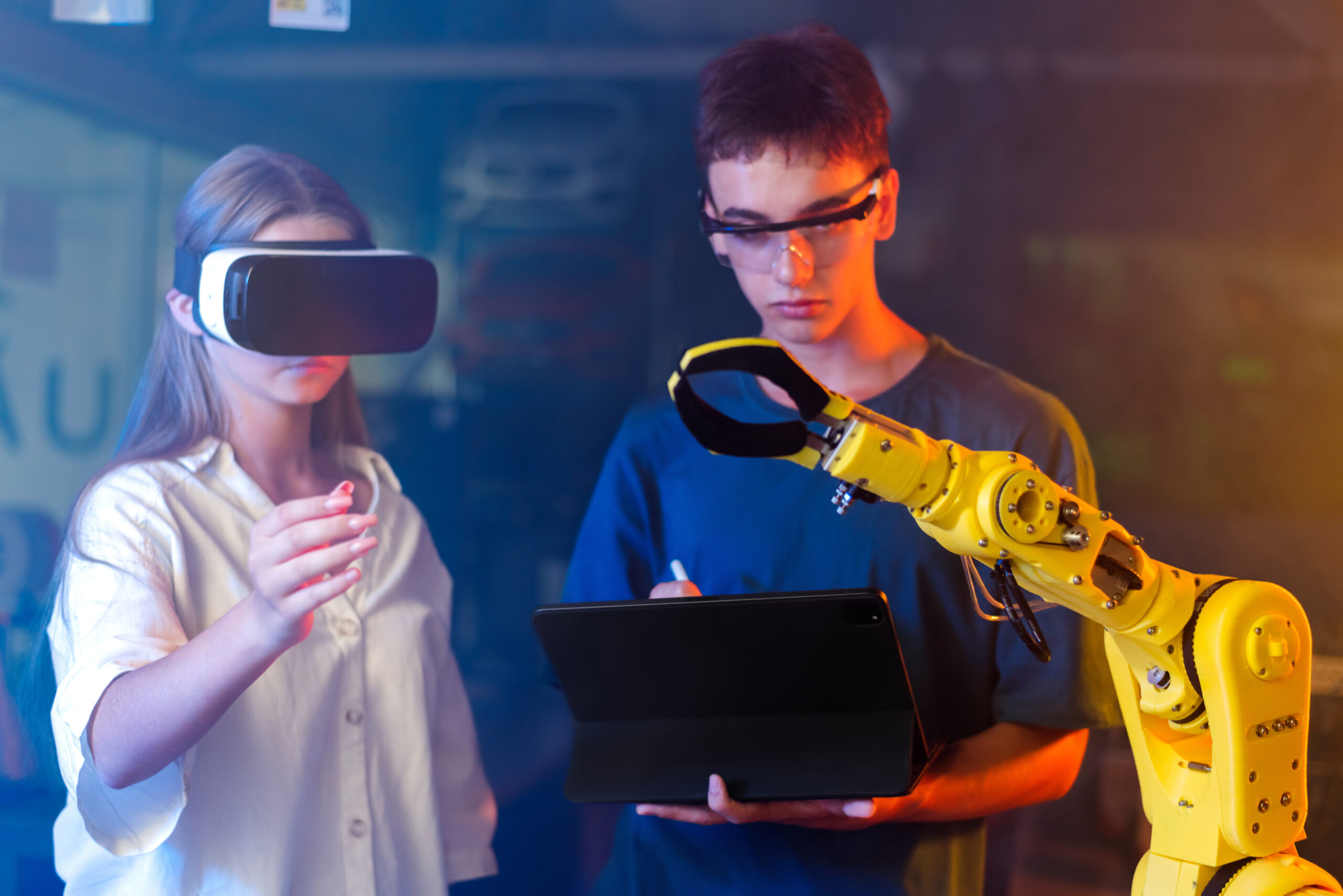
Augmented and virtual reality provide immersive environments for learning training entertainment and design removing barriers between digital and physical worlds.
IoT and Connected Ecosystems
Smart devices connect through IoT networks enabling smooth interaction across appliances vehicles and digital services.
Gesture Touchless and Multimodal Interfaces
Touchless sensors gesture controls and multimodal systems allow users to interact through movement speech gaze or combined inputs.
Impact on User Experience and Interface Design
Personalization and Adaptive Interfaces
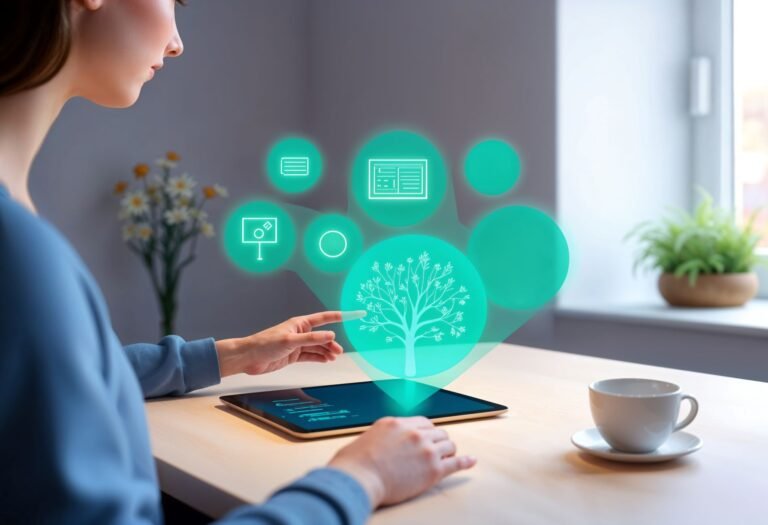
Interfaces now adapt to user behavior preferences and context ensuring tailored and efficient interactions.
Predictive Interaction Models
Predictive systems anticipate user actions reducing manual effort and improving task efficiency.
Real-Time Responsiveness and Automation
Real-time processing provides instant feedback and enables automated workflows that speed up interactions.
The Shift Toward Minimal and Intuitive UI
Design trends favor clean simple layouts that reduce cognitive load and make navigation effortless.
Practical Applications of New HCI Technologies
Smart Devices and Home Automation
Smart homes use voice commands automated routines and connected devices to simplify everyday tasks.
Workplace Tools and Productivity Systems
AI-driven tools support collaboration scheduling data analysis and workflow management improving workplace efficiency.
Healthcare Education and Accessibility Enhancements
Advanced interfaces support remote healthcare interactive learning and accessible tools for people with disabilities.
Human-Centered Design in the Age of Advanced Technology
Conducting Effective User Research
User research identifies needs behaviors and pain points to guide interface development.
Usability Testing for Emerging Interfaces
Testing ensures new technologies remain intuitive reliable and effective across different user groups.
Ensuring Accessibility and Inclusive Design
Inclusive design prioritizes access for users with diverse abilities ensuring technology serves everyone.
Challenges and Ethical Considerations
Privacy and Data Security Risks
Increased data collection raises concerns about safety transparency and informed consent.
Bias and Transparency in AI-Driven Interfaces
AI must remain fair and understandable avoiding biased outcomes and unclear decision-making.
Reducing Cognitive Overload
Designers must ensure new features remain simple and do not overwhelm users with complexity.
Responsible Technology Integration
New systems must be deployed thoughtfully to avoid replacing essential human judgment.
Future Trends Driving the Next Wave of HCI
Autonomous Interfaces
Autonomous systems will make decisions and complete tasks with minimal user instruction.
Emotion-Aware Systems
Emotion recognition will allow systems to adapt responses based on user mood and behavior.
Brain-Computer Interaction Innovations
Brain-computer interfaces will create direct communication pathways between the human brain and digital devices.
FAQs
How are new technologies improving human-computer interaction?
They create faster more intuitive and personalized interactions by using AI automation and natural interfaces.
What role does AI play in future interfaces?
AI powers personalization automation prediction and adaptive responses.
Why is natural language interaction becoming essential?
It allows users to interact in the most natural form through speech without complex commands.
How do AR and VR change digital experiences?
They create immersive environments that improve learning entertainment design and training.
What are the biggest challenges in modern HCI?
Privacy risks AI bias complexity and ensuring accessible and ethical design.
Conclusion
Emerging technologies are transforming human-computer interaction by making digital systems smarter faster and more intuitive. As AI immersive tools and connected ecosystems advance HCI in 2025 focuses on seamless efficient and human-centered experiences.