

Health Benefits of Basmati Rice: Why It’s One of the Healthiest Rice Options
Basmati rice has been a staple in South Asian cooking for centuries but today it’s considered one of the healthiest rice varieties worldwide. Its unique aroma long-grain structure low glycemic index and balanced nutrients make it stand out from regular rice. Whether you want steady energy better digestion or improved heart health basmati rice can easily fit into a healthy diet.
What Makes Basmati Rice Different?
Unique aroma and grain structure
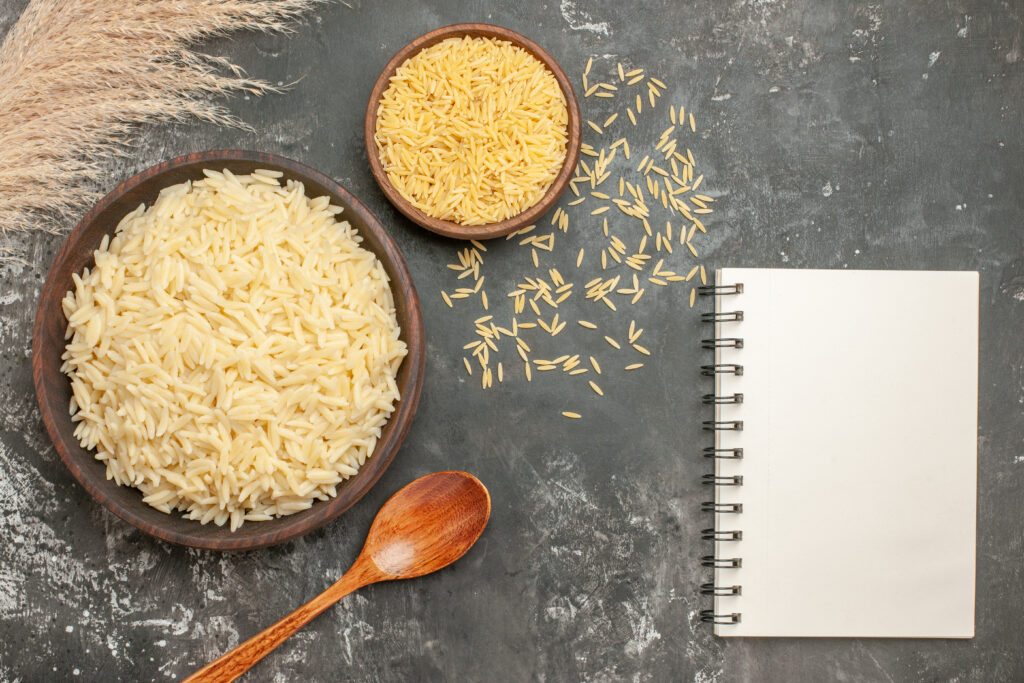
Basmati rice is known for its naturally fragrant aroma and slender elongated grains. When cooked the grains turn fluffy and separate easily reducing stickiness and improving digestion. This texture helps prevent overeating and supports better portion control.
Lower glycemic index than regular rice
One of the strongest advantages of basmati rice is its lower glycemic index (GI). While most white rice varieties spike blood sugar quickly basmati rice’s GI is significantly lower allowing slower absorption and a steady release of glucose.
Cleaner nutrient profile
Basmati rice naturally contains fewer unhealthy fats and has a cleaner carbohydrate profile compared to many other rice types. Brown basmati in particular delivers more fiber minerals and antioxidants making it a nutritionally balanced grain.
Nutritional Profile of Basmati Rice
Calories and macronutrients
A typical cooked cup of basmati rice provides around 200 calories mostly from complex carbohydrates. It contains minimal fat and moderate protein making it a clean source of energy.
Fiber content
Brown basmati rice contains significantly more fiber than regular white rice. This fiber supports digestion regulates blood sugar and enhances feelings of fullness.
Essential vitamins and minerals
Basmati rice contains essential nutrients such as B vitamins (B1 B3 B6) magnesium phosphorus and iron. These nutrients support metabolism red blood cell production nerve function and energy levels.
Antioxidants and plant compounds
Both white and brown basmati contain plant compounds that help reduce inflammation and oxidative stress. Brown basmati also retains more antioxidants due to its intact bran layer.
Read more: Health Benefits of Avocado Leaves: Hidden Medicinal Properties Explained
Top Health Benefits of Basmati Rice
Supports steady blood sugar levels
The low GI of basmati rice helps prevent sudden blood sugar spikes making it one of the best rice options for diabetics and individuals managing insulin resistance.
Promotes weight management
Because basmati digests slowly it keeps you full longer. This helps reduce unnecessary snacking and supports healthier calorie control.
Boosts heart and cardiovascular health
Basmati rice has low levels of saturated fat and contains heart-supporting nutrients like magnesium and fiber. Brown basmati may help lower cholesterol and support healthy blood flow.
Aids digestion and gut function
The fiber in brown basmati promotes regular bowel movements and supports a healthy gut microbiome. Its non-sticky texture also makes it easier to digest.
Helps maintain healthy blood pressure
Magnesium and potassium in basmati rice help regulate blood pressure by supporting proper muscle and nerve function including the heart muscle.
Provides slow-release energy
Basmati rice releases energy gradually making it ideal for athletes active individuals and anyone needing sustained energy throughout the day.
Supports brain and nervous system health
B vitamins in basmati rice assist with nerve function brain health and cognitive performance. These vitamins also support mood and mental clarity.
May reduce risk of certain cancers
Brown basmati rice contains dietary fiber and antioxidants linked to reduced risk of colon cancer and other digestive tract cancers.
Naturally gluten-free for sensitive individuals
Basmati rice is naturally gluten-free making it safe for individuals with gluten intolerance or celiac disease.
Basmati Rice Benefits: Brown vs. White
Nutrient differences
Brown basmati retains the bran and germ providing more fiber antioxidants and minerals. White basmati is polished but still healthier than most white rice varieties.
Fiber and digestion comparison
Brown basmati contains up to four times more fiber which supports digestion and better gut function.
Best choice for diabetics
Brown basmati is the better option because of its higher fiber and lower GI.
Best choice for weight loss
Brown basmati is ideal for weight management due to its slow digestion and high satiety.
Is Basmati Rice Good for Diabetics?
Why its glycemic index matters
A low GI means glucose is released gradually helping diabetics maintain stable blood sugar. This prevents insulin spikes and supports long-term metabolic health.
Safe serving sizes
A healthy serving for diabetics is ½ to 1 cup of cooked basmati rice per meal paired with vegetables or protein for improved balance.
Best basmati type for blood sugar control
Brown basmati rice offers the best blood sugar support but even white basmati is better than most high-GI white rice options.
Is Basmati Rice Good for Weight Loss?
Satiety and slow digestion
Basmati’s slow digestion reduces hunger supports appetite control and promotes steady energy.
How basmati supports calorie control
Its fluffy texture increases volume without adding extra calories helping you feel full on smaller portions.
Read more: 15 Health Benefits of Soursop Leaves You Need to Know for Better Wellness
Potential Side Effects of Basmati Rice
Portion size and calorie concerns
Large servings of any rice can lead to weight gain. Portion moderation is essential especially with white basmati.
White vs. brown basmati considerations
White basmati has fewer nutrients than brown so relying only on white rice may reduce fiber intake.
How to Add Basmati Rice to Your Diet
Healthy ways to cook it
Rinse basmati thoroughly use minimal oil and pair it with vegetables and lean protein. Steaming or pressure-cooking preserves nutrients.
Best dishes for balanced nutrition
- Vegetable basmati rice
- Basmati with grilled chicken or fish
- Lentils with basmati rice
- Brown basmati rice bowls
- Stir-fry with basmati rice
Frequently Asked Questions
Can I eat basmati rice daily?
Yes basmati rice can be eaten daily when eaten in appropriate portions and paired with balanced meals.
Is basmati rice healthier than regular white rice?
Yes. Its lower GI cleaner nutrition and better digestibility make it superior to regular white rice.
Is basmati rice truly gluten-free?
Yes basmati rice is naturally gluten-free and safe for gluten-sensitive individuals.
Which is better: brown basmati or white basmati?
Brown basmati is better for fiber blood sugar control and weight management. White basmati is lighter and easier to digest.