How Future Healthcare Technology Is Transforming At-Home Care
Why Technology-Driven Home Care Is Growing
Future-focused Healthcare Technology is reshaping how people receive care at home. Aging populations, rising chronic diseases, and the demand for convenient, personalized services are driving rapid adoption. Patients want comfort and independence, while caregivers and clinicians need accurate, real-time data. Digital solutions now make it possible to deliver high-quality care without requiring frequent in-person visits. This shift improves accessibility, reduces costs, and boosts patient satisfaction.
How At-Home Care Is Evolving With Patient Needs
Modern at-home care has become more proactive than reactive. Instead of waiting for health issues to escalate, technology enables early detection, precise monitoring, and continuous communication. Patients receive tailored support, caregivers have clearer insights, and providers deliver timely interventions. The result is a more efficient, patient-centered care model powered by reliable Healthcare Technology.
Telehealth & Virtual Care Advancements
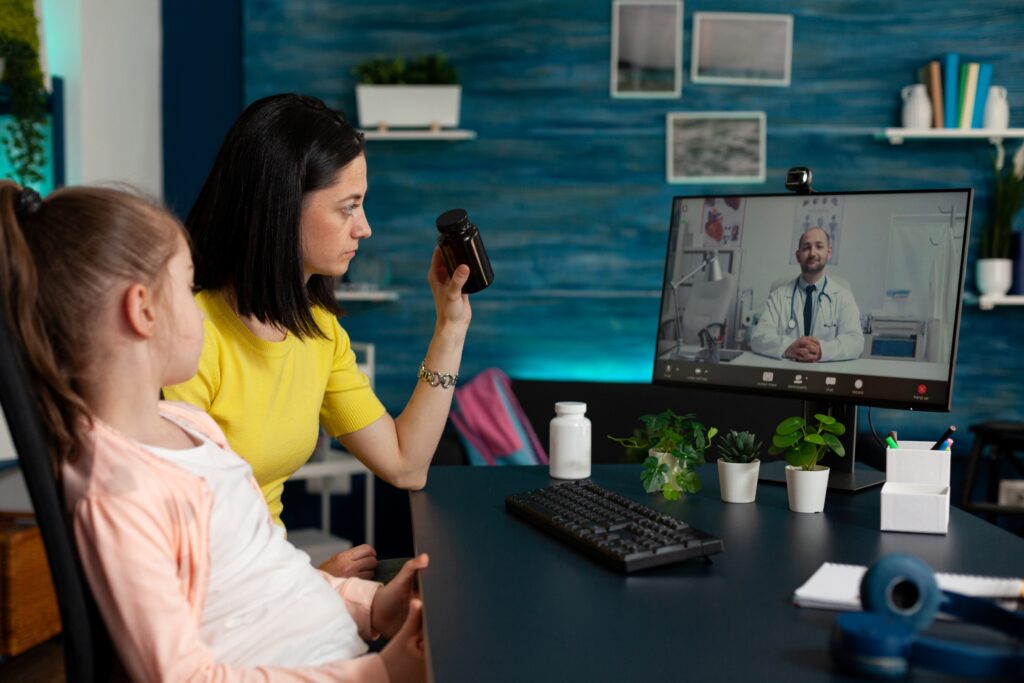
Modern Teleconsultation Capabilities
Telehealth has evolved far beyond simple video calls. Today’s platforms support high-definition virtual exams, digital symptom reporting, and integrated health records. Clinicians can assess patients remotely using connected devices that transmit vital signs instantly. These capabilities reduce unnecessary clinic visits and allow faster follow-ups.
On-Demand Care Access From Home
Telehealth gives patients immediate access to healthcare professionals without long wait times. This on-demand model is ideal for minor illnesses, mental health support, and follow-up care. It also expands access for rural or underserved areas where specialists may be limited.
Telehealth for Chronic Disease Management
Chronic conditions like diabetes, hypertension, and COPD require consistent monitoring. Telehealth enables regular check-ins, medication adjustments, and remote coaching. With connected devices, clinicians can identify changes in health patterns early, improving outcomes and reducing hospitalizations.
AI-Enhanced Home Health Support
Predictive Analytics for Early Intervention
AI-powered predictive models analyze vital signs, symptoms, and lifestyle data to alert providers before complications arise. These early warnings reduce emergency events and improve long-term disease management.
AI-Driven Symptom Tracking & Decision Support
AI algorithms evaluate symptoms and health data to support clinical decision-making. Patients receive personalized recommendations, while providers gain insights that strengthen diagnostic accuracy and treatment planning.
Automated Monitoring for High-Risk Patients
AI automation helps track conditions that require high vigilance, such as heart failure or respiratory disorders. Automated alerts notify caregivers and clinicians of unusual patterns, promoting faster response and elevated safety.
Remote Patient Monitoring (RPM) Systems
Core RPM Tools & How They Work
RPM systems use connected devices such as blood pressure cuffs, glucose monitors, pulse oximeters, and digital scales to monitor patients from home. These tools send real-time data to clinicians, enabling continuous oversight.
Benefits for Seniors, Disabled Patients & Chronic Care
RPM delivers independence for seniors, stability for disabled individuals, and stronger care for chronic patients. It reduces hospital visits, enhances early intervention, and provides reassurance for families.
Integrating RPM Into Daily Home Routines
Most RPM devices are designed for easy use. Daily monitoring becomes seamless through mobile apps, automated reminders, and user-friendly interfaces that fit naturally into home life.
Smart Home Health Ecosystems
Connected Devices That Improve Home Safety
Smart sensors detect falls, air quality changes, and unusual activity patterns. These devices notify caregivers instantly and help prevent accidents or health risks.
Voice Assistants for Medication & Daily Reminders
Voice-enabled systems help patients remember medications, hydration, appointments, and daily tasks. This support is especially helpful for seniors or people with cognitive challenges.
Home Automation for Elderly & Mobility-Limited Users
Automated lighting, temperature control, and emergency alerts improve safety and comfort. These features enable greater independence for mobility-restricted users.
Wearables & Biosensors in Home Care
Real-Time Vital Tracking
Wearables track heart rate, temperature, movement, sleep, and more. Real-time monitoring identifies early signs of illness or stress, supporting preventive care.
Advanced Wearables for Disease Prevention
Sophisticated biosensors can detect arrhythmias, blood glucose changes, respiratory patterns, and even early infection markers improving early diagnosis and prevention.
Data Sharing With Caregivers & Clinicians
Wearable data syncs with apps and clinical dashboards, enabling collaborative care. Families gain peace of mind, and providers receive actionable health insights.
Internet of Medical Things (IoMT)
How Connected Medical Devices Communicate
IoMT devices use secure networks to share health data between patients, caregivers, and healthcare systems. This interconnected environment strengthens accuracy and reduces manual reporting.
Improving Accuracy & Care Coordination
IoMT eliminates guesswork by providing continuous, verified health information. This strengthens collaboration among healthcare teams and enhances treatment outcomes.
Turning Homes Into Smart Health Hubs
With IoMT, homes function like mini health centers. Devices communicate seamlessly, automate processes, and deliver dependable support every hour of the day.
Robotics & Automation in Home Healthcare
Assistive Robots for Daily Living
Robotic companions help with mobility assistance, household tasks, and support for individuals with disabilities. They improve independence and reduce caregiver strain.
Automated Medication Dispensing
Automated systems ensure accurate dosing and adherence. They send alerts when medications are taken incorrectly or missed entirely.
Robotics for Mobility & Rehabilitation
Robotic exoskeletons and rehabilitation devices support physical therapy at home, accelerating recovery and improving mobility.
Personalized & Precision Home Care
Data-Driven Treatment Tailoring
Healthcare Technology analyzes patient data to create individualized treatment plans that align with personal health profiles and risk factors.
At-Home Genetic & Biomarker Testing
Genetic testing kits and biomarker assessments help identify predispositions and guide targeted therapies all from home.
Customized Wellness & Recovery Plans
Personalized programs improve outcomes by aligning daily routines, nutrition, and exercise with patient-specific goals.
Digital Medication Management
Smart Pillboxes & Reminder Apps
Digital pillboxes send alerts, track doses, and notify family members if medications are missed.
Reducing Non-Adherence & Preventable Emergencies
Accurate medication management reduces hospital visits, prevents complications, and improves chronic disease control.
Integration With Pharmacy & Care Networks
Digital platforms connect with pharmacies for automatic refills and updates, ensuring uninterrupted treatment.
Virtual Care Communities & Support Networks
Online Health Coaching & Peer Support
Virtual communities offer education, motivation, and human connection key elements in long-term health improvement.
Mental Health Support Through Virtual Groups
Online support groups provide safe spaces for counseling, therapy, and emotional assistance.
Improving Engagement & Accountability
Peer interaction increases commitment to wellness goals and reduces isolation.
Cybersecurity & Data Protection in Home Healthcare

Securing Health Data in Connected Homes
With increased connectivity comes the need for stronger data protection. Encrypted networks and secure devices safeguard sensitive information.
Encryption, Authentication & Access Controls
Multi-factor authentication and encryption ensure only authorized users access patient data.
Patient Rights & Digital Privacy Best Practices
Patients maintain control over who views their information and how it is used, reinforcing trust in digital care.
Regulatory Landscape for Future Home Care Tech
Compliance Requirements for Health Tech
Healthcare Technology must meet strict standards to ensure safety, reliability, and accuracy.
Global Standards for Digital Healthcare
International guidelines promote interoperability, ethical AI use, and secure data handling across borders.
Balancing Innovation With Patient Safety
Regulators and innovators work together to bring advanced solutions to market without compromising patient security.
What’s Next: Future Innovations in At-Home Care
Emergence of Autonomous Health Systems
AI-powered autonomous systems may soon handle triage, diagnostics, and continuous care without human intervention.
Expansion of Virtual Hospitals-at-Home
Hospital-level care delivered entirely at home will reduce hospital burdens and improve patient comfort.
Hyper-Personalized AI Health Companions
AI companions will provide 24/7 support, health reminders, emotional assistance, and early detection capabilities.
Conclusion
Technology Safe for Kids is reshaping at-home care into a smarter, safer, and more personalized experience. From AI-driven monitoring to telehealth, robotics, smart homes, and IoMT, these innovations boost independence and improve outcomes. As technology advances, the future of home healthcare promises greater accessibility, precision, and patient empowerment.
FAQs
How is future technology improving at-home healthcare?
It enhances early detection, improves monitoring accuracy, increases access to care, and supports personalized treatment.
Is AI safe to use for home health monitoring?
Yes. When properly regulated, AI enhances accuracy, reduces errors, and provides continuous oversight.
Which devices are essential for modern home care?
Wearables, RPM tools, smart home sensors, telehealth platforms, and medication management devices.
How does remote monitoring benefit seniors?
It improves safety, reduces hospital visits, and supports independent living with continuous oversight.
What are the biggest challenges of at-home healthcare technology?
Data security, cost barriers, device integration, and digital literacy remain key challenges.