How Technology in Education Helps Overcome Language Barriers
Challenges Faced by Multilingual and Non-Native Speakers
Modern classrooms are more diverse than ever. Students arrive with different cultural backgrounds, varying language abilities, and unique communication needs. Multilingual and non-native speakers often struggle to understand instructions, participate in discussions, or express ideas clearly. These challenges become even more significant when students are expected to learn complex subjects without strong language foundations. Without proper support, they may feel isolated, misunderstood, or hesitant to participate.
How Language Gaps Affect Learning Outcomes and Participation
Language gaps directly impact academic performance. Students who cannot follow lessons may miss key concepts, fall behind, and lose confidence. Participation drops when learners fear miscommunication or judgment. These barriers also slow group work, peer collaboration, and teacher-student engagement. When language becomes an obstacle, it limits a student’s full potential and reduces overall classroom productivity.
The Role of Digital Tools in Supporting Multilingual Education
Real-Time Translation Technologies for Seamless Communication
Technology now enables real-time translation that helps students understand content instantly. Tools like instant translators, multilingual keyboards, and speech-to-text apps allow teachers to communicate instructions clearly. Students can read or listen in their preferred language without interrupting the flow of the lesson. These technologies ensure no learner is left behind due to vocabulary or grammar gaps.
Classroom Apps That Simplify Multilingual Collaboration
Classroom apps support group work by offering multilingual interfaces. Students can contribute in their native language while the app translates their responses for classmates. This promotes inclusion and reduces misunderstandings. Interactive whiteboards, note-sharing platforms, and communication apps help multilingual groups work smoothly on the same tasks.
Interactive Learning Platforms That Reduce Language Friction
Interactive platforms use visuals, icons, and simplified content to help students grasp concepts quickly. These platforms rely less on long text explanations and more on intuitive learning tools. This reduces language friction and helps students understand lessons without requiring perfect language proficiency.
AI-Powered Solutions Transforming Language Accessibility

Automated Translation and Interpretation Systems
AI-driven translation systems can interpret text, audio, and video in seconds. These tools allow students to read lesson materials in their preferred language or watch educational videos with accurate translations. Automated systems also support teachers by converting lesson plans and worksheets into multiple languages.
Speech Recognition Tools That Enhance Listening and Speaking Skills
Speech recognition technology helps students improve pronunciation, listening, and speaking skills. These tools detect speech patterns, identify mistakes, and provide instant feedback. This encourages language practice, builds confidence, and supports learners who may fear speaking in class.
AI Tutors and Chatbots for Instant Language Support
AI chatbots act as personal language assistants. They provide real-time explanations, definitions, grammar help, and conversation practice. Students can ask questions privately without fear of embarrassment. AI tutors also offer personalized exercises, adapting to each learner’s progress and needs.
Read more: How Future Healthcare Technology Is Transforming At-Home Care
EdTech Innovations That Improve Content Comprehension
Visual Learning Tools for Simplifying Complex Concepts
Visual tools convert complicated content into easy-to-understand diagrams, images, and animations. These tools help multilingual learners grasp scientific processes, math problems, or historical events without relying solely on text. Visual-based learning bridges communication gaps and supports comprehension for all skill levels.
Multilingual Subtitles, Captions, and Transcriptions
Subtitles and captions allow students to watch lessons or presentations in their own language. Transcription tools convert spoken content into text, helping students review material at their own pace. This supports both comprehension and note-taking, especially for learners with limited listening skills.
Adaptive Learning Systems Tailored to Language Levels
Adaptive platforms analyze each learner’s strengths and weaknesses. They adjust the difficulty of tasks, recommend resources, and personalize learning paths based on language proficiency. This ensures students progress at a comfortable pace while still meeting academic standards.
Enhancing Teacher Support with Technology
Tools for Creating Multilingual Lesson Materials
Teachers can now create worksheets, slides, and quizzes in multiple languages with translation and content-creation tools. This reduces preparation time and ensures materials are accessible to every student. Teachers can focus on instruction while technology handles language adaptation.
Analytics That Help Educators Track Language Progress
Advanced analytics tools monitor student performance, identify learning gaps, and highlight areas where language barriers affect understanding. Teachers can access data dashboards to tailor instruction for individual learners or entire groups.
Platforms That Foster Inclusive Classroom Communication
Communication platforms enable students to ask questions, share ideas, and participate in discussions without language pressure. Built-in translation features support equal participation, fostering an inclusive and collaborative classroom environment.
Benefits of Using Technology to Remove Language Barriers
Improved Engagement and Confidence for Learners
When students understand lessons clearly, they participate more actively. Technology boosts confidence by offering support tools that help learners express themselves, ask questions, and contribute without fear of mistakes.
Greater Equity and Access to Quality Education
Technology ensures every student gets the same learning opportunities regardless of language background. This promotes fairness and helps educators deliver consistent quality across diverse classrooms.
Faster Skill Acquisition and Better Academic Outcomes
With tools that simplify understanding and provide personalized support, students learn faster and retain information more effectively. This leads to higher test scores, better grades, and stronger long-term academic growth.
Real-World Applications and Success Examples
Schools Leveraging Translation Tools for Multilingual Students
Many schools use translation devices and multilingual apps to help students integrate quickly. These tools allow teachers to explain lessons clearly and help new learners adapt without overwhelming them.
Global EdTech Solutions Driving Inclusive Learning
EdTech companies develop platforms designed to support multilingual education worldwide. These tools help schools create inclusive environments that support cultural and linguistic diversity.
Student Success Stories from Technology-Enhanced Classrooms
Students who once struggled with communication now excel thanks to technology. With translation apps, AI tutors, and visual tools, they participate confidently, collaborate effectively, and achieve stronger academic success.
Practical Steps for Implementing Technology in Language-Diverse Classrooms
Choosing the Right Digital Tools and Platforms
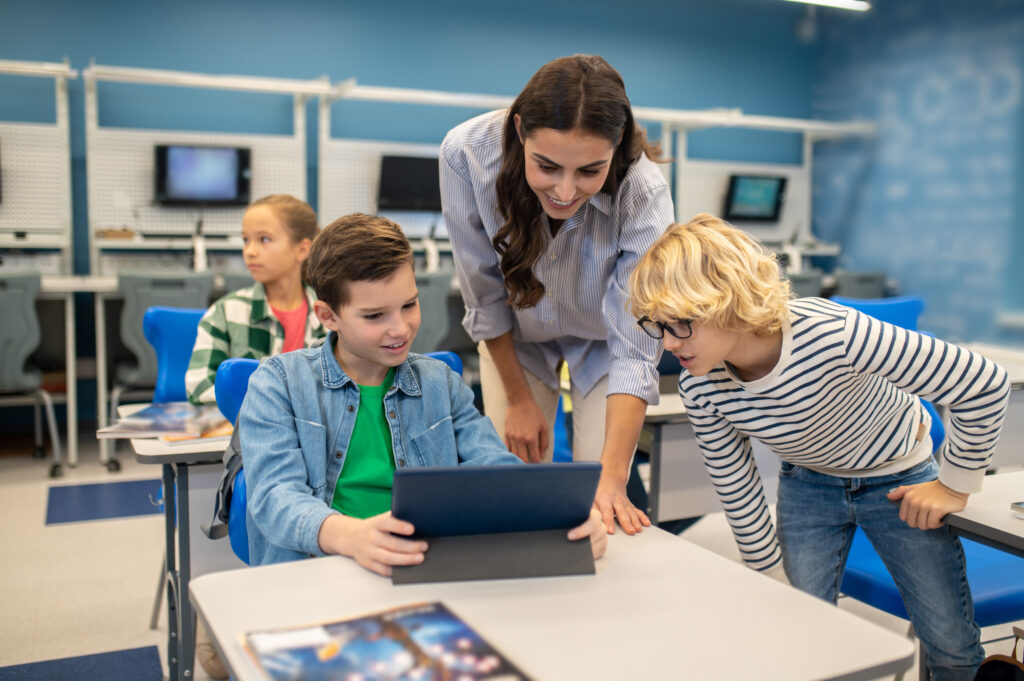
Schools should select tools that match their curriculum, student language needs, and classroom goals. Ease of use, affordability, and compatibility are key considerations.
Setting Up Multilingual Learning Resources
Teachers can create digital libraries with multilingual e-books, videos, and worksheets. This ensures students always have access to resources in their preferred language.
Training Educators and Students for Effective Use
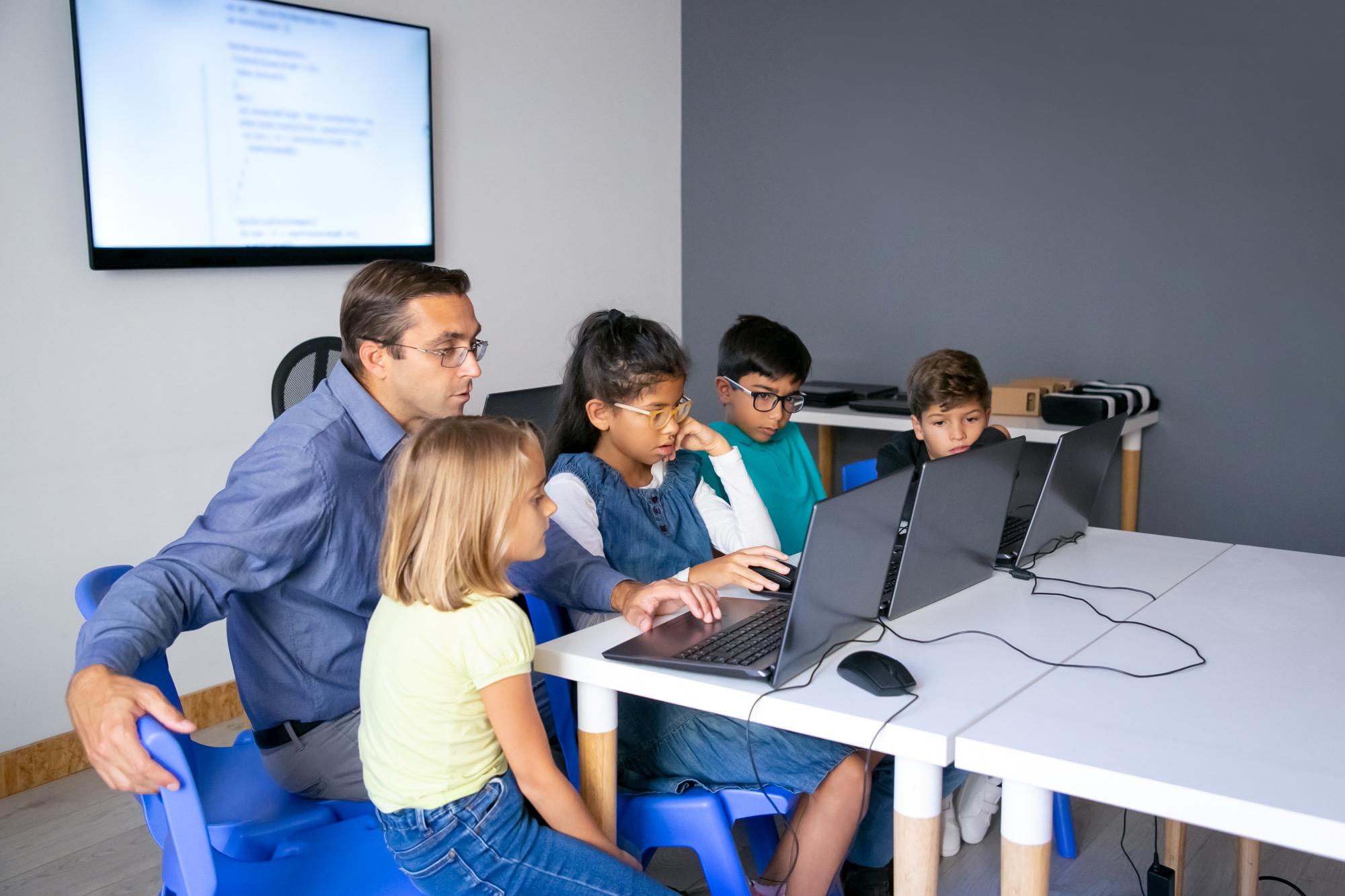
Proper training ensures technology is used correctly and consistently. Teachers and students should learn how to use translation apps, AI tools, and learning platforms to maximize benefits.
Ensuring Privacy, Safety, and Responsible Tech Adoption
Schools must follow safety guidelines and protect student data when using digital tools. Responsible technology adoption builds trust and strengthens long-term use.
Read more: OneFramework: 6 Ways Technology Impacts Your Sleep Health
Future Trends: How Technology Will Continue Reducing Language Barriers
Advancements in AI Language Models
AI models continue to improve accuracy, context understanding, and cultural nuance. These advancements will make translation and tutoring tools even more effective.
Growth of Immersive AR/VR for Language Learning
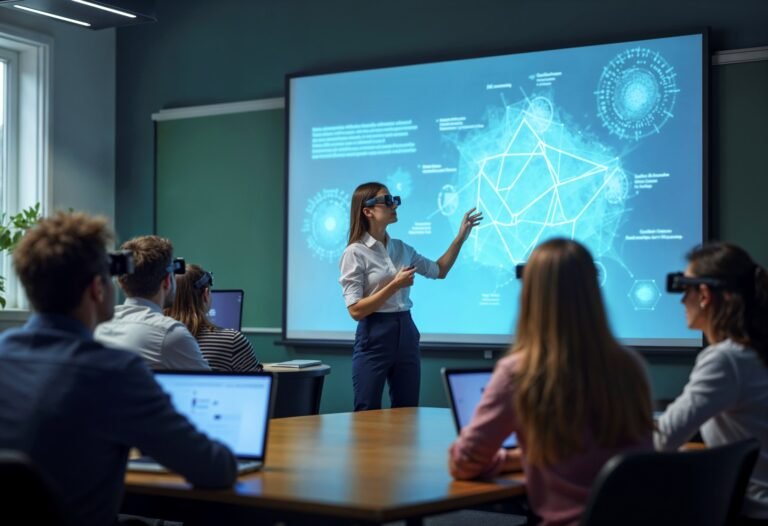
AR and VR create immersive environments where students can practice language skills through real-life scenarios. This enhances comprehension and accelerates learning.
Global Connectivity and the Rise of Cross-Cultural Classrooms
Greater internet access enables classrooms worldwide to connect, collaborate, and exchange ideas. This promotes cultural understanding and removes traditional language barriers. For more insights into future innovation, explore related discussions on Future Healthcare Technology.
Conclusion
Technology in education empowers students by breaking down language barriers and making learning accessible for all. Through AI, digital tools, interactive platforms, and teacher-focused solutions, classrooms become more inclusive and effective. As technology advances, multilingual support will only grow stronger, ensuring every learner can participate confidently and succeed academically.