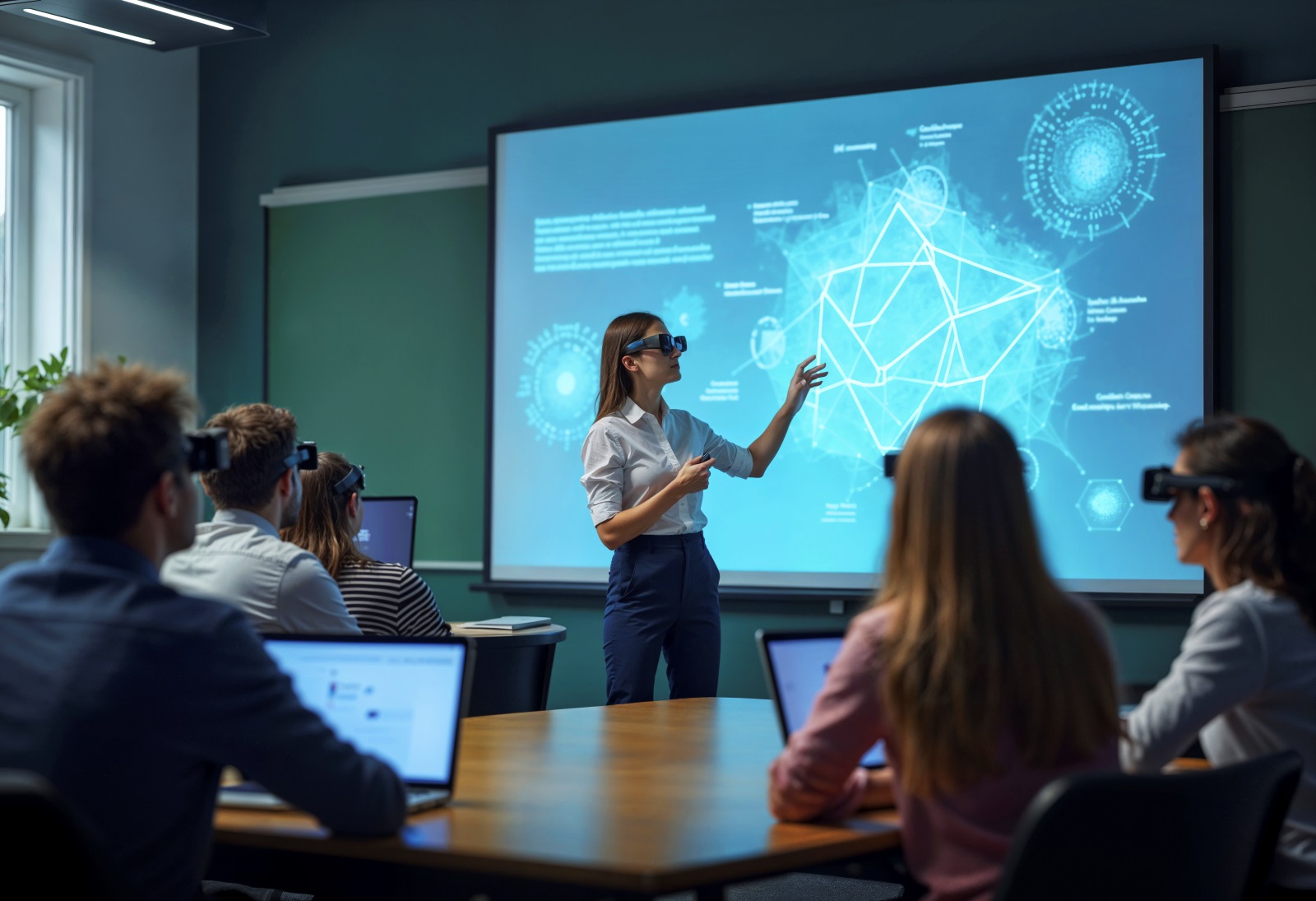
Why Technology Matters for Modern Speaking Skill Development
Speaking well is essential in a world where communication happens across borders, industries, and digital platforms. Today, the use of technology to improve speaking skills has become one of the most effective solutions for learners of all ages. As digital tools grow more advanced, their role rivals even traditional learning methods similar to the growing impact of technology on liability insurance, where innovation transforms outcomes and performance.
Changing communication needs in a digital world
Modern communication requires clarity, confidence, and adaptability. People participate in remote meetings, online classes, global interviews, and virtual presentations. Technology in language learning ensures that learners gain exposure to real accents, interactive conversation settings, and guided speaking scenarios that help them communicate effectively.
Why traditional speaking practice is no longer enough
Traditional practice relies heavily on in-person interaction, which many learners lack access to. Technology removes these barriers. Through online speaking practice, AI tutors, pronunciation practice apps, and virtual speaking practice environments, learners get unlimited opportunities to speak, listen, repeat, and improve on their own schedule.
Key Ways Technology Enhances Speaking Fluency and Confidence

Real-time feedback tools that correct pronunciation instantly
AI-powered pronunciation tools analyze speech patterns and offer instant corrections. These tools detect stress, rhythm, intonation, and clarity elements essential for natural speaking. Users receive actionable guidance, helping them progress more quickly.
AI-powered speaking assistants for daily practice
Chat-based AI assistants simulate real conversations, helping learners reduce hesitation, build fluency, and develop confidence. These AI tools for speaking skills adapt to proficiency levels and offer tailored suggestions.
Voice recognition systems that track progress and accuracy
Voice recognition technology documents errors and monitors improvement over time. With measurable analytics, learners better understand their strengths, weaknesses, and growth patterns.
Interactive simulations that build real-world speaking experience
Virtual scenarios, job interviews, presentations, or casual conversations help learners practice in realistic environments. This hands-on experience strengthens confidence and prepares them for real communication.
Best Tech Tools for Improving Speaking Skills
Mobile apps for structured speaking practice
Mobile apps for speaking skills such as speech trainers and language learning apps for speaking offer guided lessons, repetition exercises, and gamified content that boosts daily engagement.
Online conversation platforms for live speaking sessions
Interactive speaking platforms connect learners with tutors or peers worldwide. These enhance fluency, listening, and English speaking improvement online through authentic conversations.
Digital language labs and virtual classrooms
Schools and training centers now use digital language labs featuring AI evaluations, multimedia lessons, and advanced speaking modules. Virtual classrooms add real-time discussion and collaborative speaking practice.
Video-based learning for accent exposure and listening–speaking balance
Videos, podcasts, and tutorials expose learners to diverse accents and speaking styles. Observing real speakers sharpens listening, comprehension, and pronunciation.
Smart devices and wearables that support hands-free learning
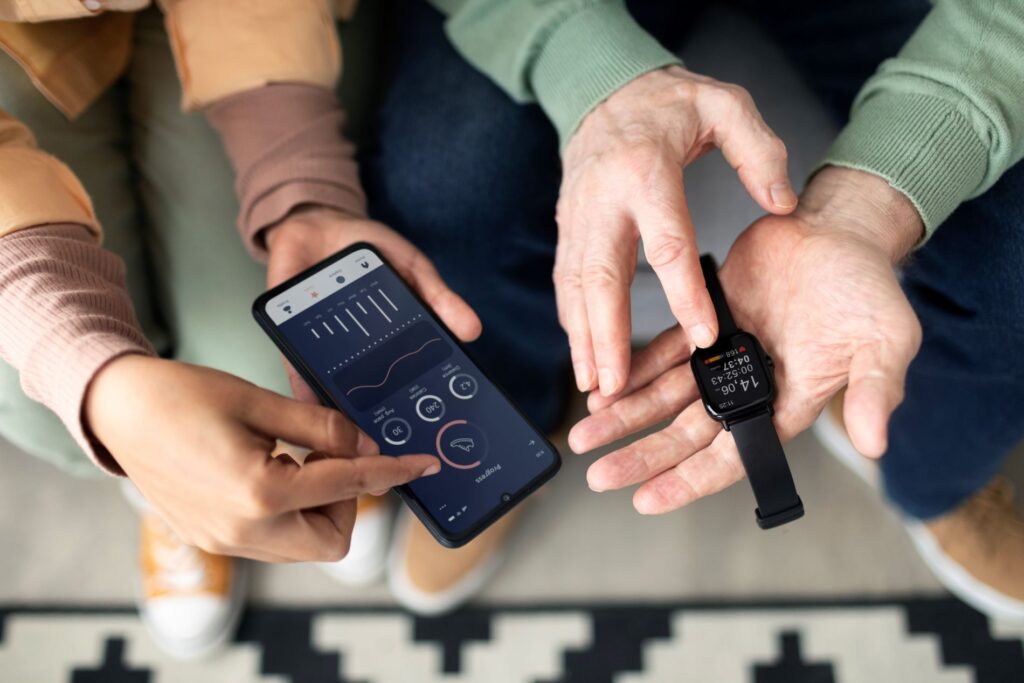
Modern devices rely on core technologies in smart devices, giving learners voice-controlled practice sessions, speech tracking, and convenient speaking activities throughout the day.
Practical Strategies for Using Technology Effectively
How to build a consistent tech-based speaking routine
Consistency drives progress. Learners should set daily speaking goals, use pronunciation apps for warm-ups, and practice with AI tutors for at least 10–15 minutes per session.
Combining AI tools with human interaction for faster results
Technology accelerates skill development, but human conversation refines nuance. Blending automated tools with live practice maximizes fluency.
Personalizing practice to match goals and skill level
Beginners benefit from structured lessons, while advanced learners should focus on spontaneous speech, debate-style discussions, and accent refinement.
Avoiding common mistakes when relying on technology
Overuse of translation tools, inconsistent practice, and ignoring feedback slow progress. Learners should follow recommendations and avoid shortcuts.
Benefits of Using Technology to Strengthen Speaking Skills
Increased confidence through guided practice
Digital tools provide a safe, judgment-free environment where learners can speak repeatedly until they feel confident.
Improved pronunciation, fluency, and clarity
AI-based feedback enhances pronunciation, pacing, and intonation. Technology helps users achieve natural and clear speech.
Flexible learning anytime, anywhere
Whether during commutes or breaks, learners can access e-learning for speaking practice through apps and platforms on any device.
Data-driven insights that speed up improvement
Tracking progress with analytics helps learners stay motivated and identify areas needing more focus.
Challenges and How to Overcome Them
Avoiding overdependence on digital tools
Technology should not replace real communication. Combining digital and human practice ensures well-rounded improvement.
Managing distractions during online practice
Learners should minimize notifications and designate a quiet space to stay focused during practice sessions.
Ensuring accuracy when using translation or voice tools
Translation features are helpful but must be used sparingly. Learners should rely more on context and repetition to develop natural speaking patterns.
Real-Life Examples of Technology-Driven Speaking Improvement
Students using apps to build fluency
Students learning English often use pronunciation practice apps and online speaking practice tools to gain fluency quickly and cost-effectively.
Professionals practicing public speaking with AI
Business professionals use AI simulators to rehearse presentations, refine tone, and strengthen communication skills.
ESL learners boosting pronunciation through voice software
Voice recognition tools help ESL learners identify mispronunciations and adjust in real time, leading to faster improvement.
How to Choose the Right Technology for Your Speaking Goals

Factors to evaluate before selecting a tool
- Accuracy of speech recognition
- Quality of feedback
- User interface simplicity
- Availability of real-world speaking scenarios
- Personalized learning plans
Features that matter most for speaking improvement
Effective tools should offer interactive speaking practice, performance analytics, pronunciation modeling, and customizable lesson paths.
Future Trends in Tech-Enhanced Speaking Skills
AI-driven personalized speech coaching
Advanced coaching systems will offer hyper-personalized learning based on user behavior and goals.
VR/AR immersive speaking environments
Immersive environments will allow learners to practice in virtual cafés, offices, or interview rooms for enhanced real-life preparation.
Intelligent analytics for advanced speech tracking
Next-generation analytics will evaluate emotional tone, articulation, clarity, and pacing for deeper insights showing continued technology impact on accident insurance parallels, where digital precision improves decision-making.
Final Thoughts: Building Better Speaking Skills Through Smart Technology Use
The use of technology to improve speaking skills is no longer optionalit’s a powerful, accessible, and highly effective way to strengthen communication in today’s digital world. By choosing the right tools, practicing consistently, and blending AI with real interaction, learners can achieve fluency, confidence, and clarity faster than ever before.