Why Modern Tech Habits Interfere With Restorative Sleep
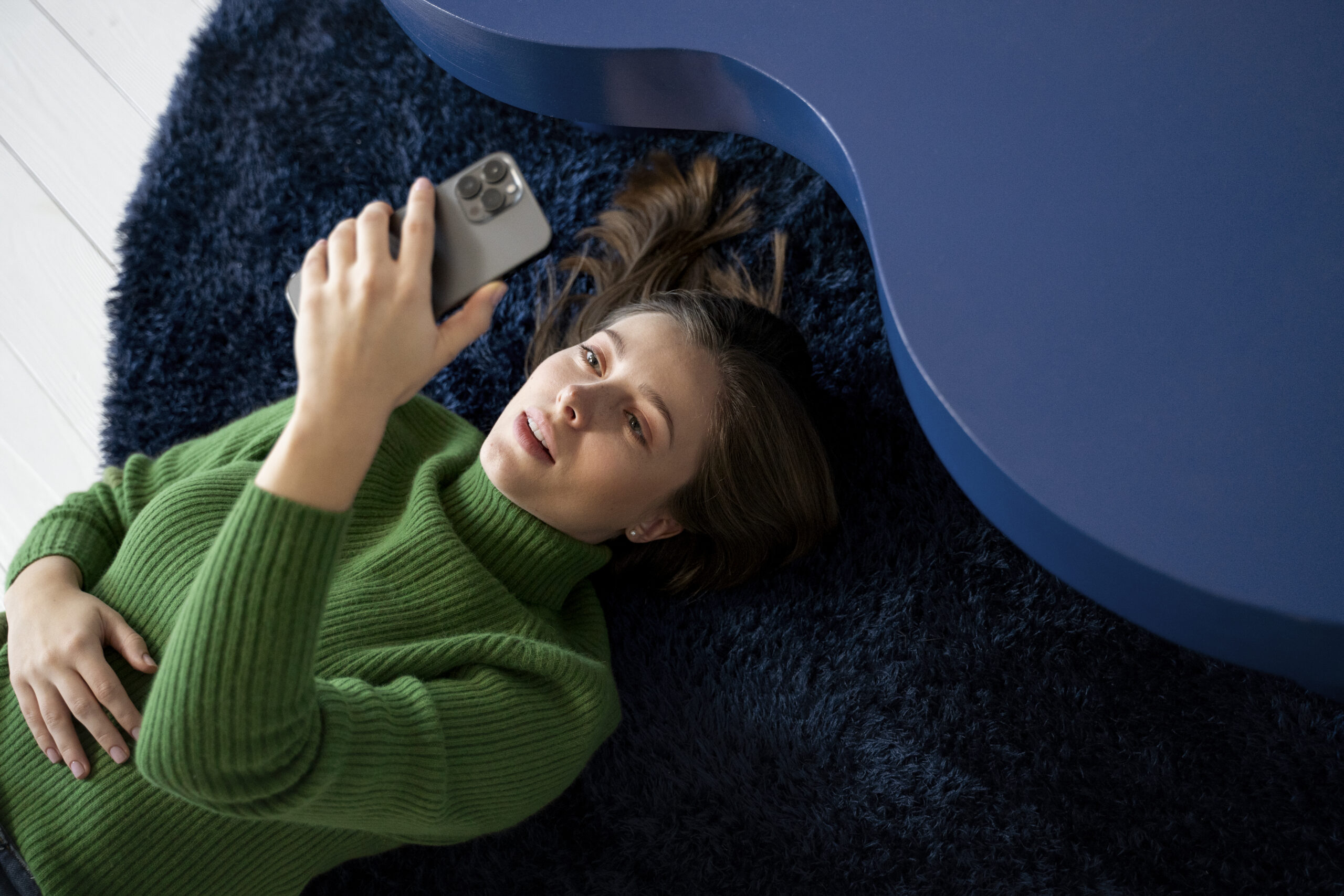
Technology has become woven into every hour of daily life, especially the hours before bed. While convenient, constant digital engagement interferes with natural biological rhythms and reduces the quality of restorative sleep. Screens stimulate the brain, delay melatonin release, and keep the body alert when it should wind down. Understanding how everyday tech habits influence sleep is the first step toward building healthier nighttime routines.
How Blue Light Alters Your Natural Sleep–Wake Cycle
Blue light from phones, tablets, and computers sends “daytime” signals to the brain. This suppresses melatonin the hormone that tells the body it’s time to sleep. When melatonin drops, falling asleep becomes difficult, and deep sleep stages become shorter. Over time, this disruption reshapes the circadian rhythm, causing morning grogginess, reduced focus, and inconsistent rest.
Even brief evening exposure can shift the sleep cycle. People who use screens late at night often experience delayed sleep onset, shorter REM cycles, and lighter overall sleep. Limiting blue light is essential for maintaining a balanced internal clock.
Digital Stimulation That Keeps Your Brain Hyperactive at Night
Modern digital content is designed to capture attention. Fast-paced videos, constant scrolling, and interactive apps keep the brain stimulated long after the body needs rest. This creates “cognitive arousal”a state where the mind stays active, alert, and engaged.
When the brain remains hyperactive, it struggles to transition into the calm state needed for sleep. This leads to longer time spent awake, shallow sleep patterns, and more nighttime awakenings. The more stimulating the content, the harder it becomes to unwind.
Sleep Delays Caused by Endless Scrolling and Screen Engagement
One of the biggest barriers to healthy sleep is bedtime procrastination caused by digital habits. Social media, entertainment platforms, and messaging apps extend nighttime screen time far beyond intended limits. What begins as “five more minutes” often turns into an hour or more.
This delay pushes the entire sleep schedule later into the night. Reduced total sleep time impacts mood, concentration, metabolic health, and daytime performance. The stimulating nature of evening screen time compounds the issue, making it harder to fall asleep even when the device is finally put away.
Nighttime Alerts, Notifications, and Micro-Awakenings
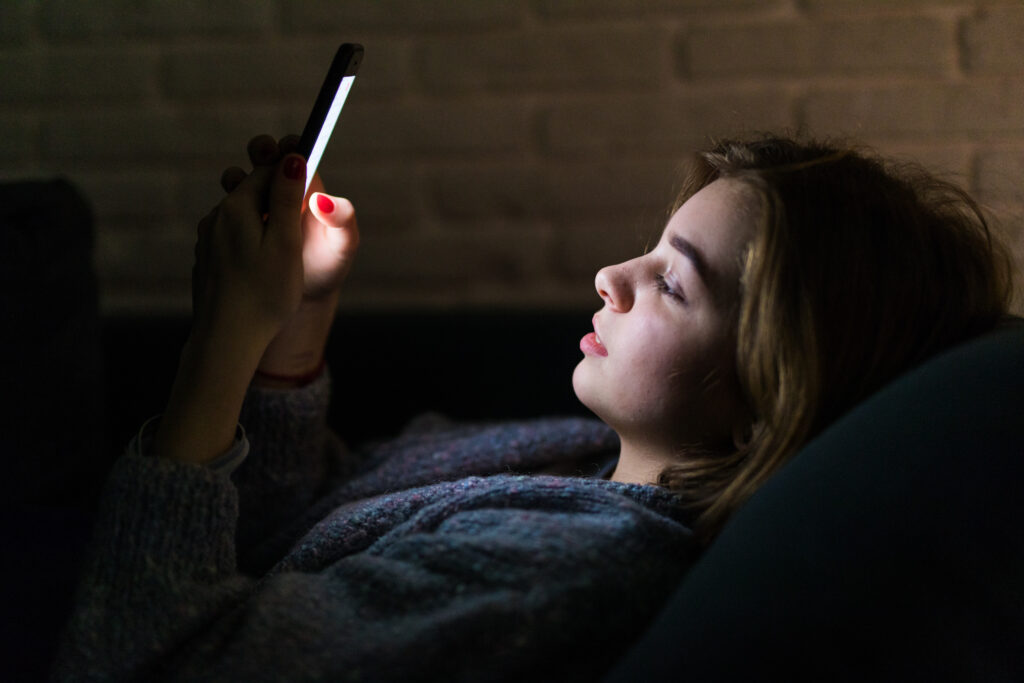
Even when you fall asleep, digital devices can disrupt rest. Notification sounds, vibrations, and screen lights trigger micro-awakenings/brief disturbances that pull the brain out of deeper sleep stages.
These interruptions prevent the body from completing full sleep cycles essential for memory, recovery, and emotional regulation. Over time, micro-awakenings create fragmented sleep, morning fatigue, and difficulty sustaining focus throughout the day.
Keeping devices nearby also increases sleep reactivity. The mere expectation of notifications can make the brain stay partially alert, reducing overall sleep depth.
Tech-Driven Stress, Anxiety, and the Decline of Sleep Quality
Digital communication, social media comparisons, and constant connectivity increase mental stress and anxiety. The brain struggles to disengage from work messages, online conversations, and digital obligations.
Stress triggers cortisol production, which directly interferes with sleep. Elevated cortisol keeps the body alert, increases nighttime rumination, and reduces deep and REM sleep. This cycle becomes self-sustaining: poor sleep increases stress, and higher stress worsens sleep.
Digital overload also intensifies emotional fatigue, making it harder to relax at bedtime.
Smart Devices, Wearables & the Hidden Pressure to “Sleep Perfectly”
Sleep trackers and wearables can provide valuable insights, but they also create a growing issue: sleep performance anxiety. When people obsess over tracking data, they begin to worry about “perfect sleep scores.”
This pressure interrupts natural relaxation and triggers stress around bedtime. The more someone tries to control their sleep, the harder it becomes to fall asleep naturally. Over-monitoring can also lead to misinterpretation of data, causing unnecessary concern.
Technology designed to improve sleep can paradoxically disrupt it if used without balance.
The Broader Health Consequences of Tech-Related Sleep Disruption
Chronic sleep disruption affects far more than energy levels. Consistently poor sleep is linked to weakened immunity, weight gain, impaired cognitive function, mood disturbances, and reduced cardiovascular health. The brain relies on uninterrupted sleep to clear toxins, consolidate memories, and restore mental sharpness.
Tech-related sleep issues can accumulate over time, leading to long-term challenges such as burnout, emotional instability, and reduced productivity. Protecting sleep is essential for overall physical and mental well-being.
How to Use Technology Without Sacrificing Sleep Health
Reducing Blue Light and Screen Exposure
Use blue light filters, enable night mode, or wear blue-light-blocking glasses in the evening. Power down screens at least one hour before bed to allow melatonin production to stabilize. Choose calming offline activities like reading or stretching to help the brain unwind.
Designing a Tech-Free Sleep Environment
Remove phones, tablets, and laptops from the bedroom. Use an analog alarm clock instead of relying on a phone. Keep the room dark, quiet, and cool to support deep sleep. A tech-free environment prevents distractions and promotes consistent nighttime routines.
Managing Digital Stress Before Bed
Set digital boundaries during the evening. Turn off notifications, stop checking email after work hours, and avoid emotionally charged content before bed. Create a relaxing pre-sleep ritual that includes breathing exercises, light stretching, meditation, or journaling.
Using Sleep Technology Responsibly
Use wearables as informational tools rather than performance trackers. Focus on general patterns, not nightly fluctuations. Choose apps that promote relaxation such as guided meditation or soundscapes rather than apps that demand constant data monitoring.
Balanced use helps technology support, not control, your sleep health.
Final Thoughts: Building a Healthier Nighttime Relationship With Technology
Technology enhances modern life, but it must be managed wisely to protect sleep health. By reducing evening screen time, creating a calm environment, setting digital boundaries, and using sleep tools responsibly, you can restore natural rest patterns and improve long-term well-being. Healthy sleep begins with intentional choices and the right balance between technology and nighttime routines.