Understanding the Growing Importance of Tech Skills in 2025
Technology continues to reshape how students learn, communicate, and solve problems. In 2025, high schoolers need strong technology skills to navigate digital environments, complete coursework efficiently, and prepare for a tech-driven future. These competencies are no longer optionalthey influence academic performance, digital safety, and long-term career growth. As industries adopt automation, AI, and cloud systems, students with versatile tech abilities gain a clear advantage.
How Digital Competencies Shape Academic and Career Success
Digital competencies improve research quality, help students manage assignments, and support collaboration with peers. They also open doors to early career exploration. Whether a student aims for engineering, healthcare, business, or creative fields, employers now expect foundational technical knowledge. Students who master digital tools demonstrate critical thinking, adaptability, and innovation qualities valued across all modern industries.
Core Technology Skills Every High School Student Should Build
Digital Literacy and Smart Online Research
Digital literacy helps students evaluate information, recognize credible sources, and avoid misinformation. Smart online research strengthens academic work, improves decision-making, and builds confidence in navigating digital platforms.
Productivity Tools, Cloud Platforms, and Collaboration Software
Mastery of cloud tools like Google Workspace or Microsoft 365 allows students to collaborate, store files securely, and complete projects efficiently. These skills teach organization, teamwork, and professional communication.
Coding Fundamentals and Computational Thinking
Basic coding fosters logical thinking and problem-solving. Even simple programming exposure prepares students for fields like robotics, AI, web development, and game design. Computational thinking also helps students tackle complex problems in any subject.
Data Skills: Collection, Organization, and Interpretation
Data literacy helps students interpret charts, manage spreadsheets, and analyze patterns. These abilities support STEM learning and prepare students for analytics-heavy fields.
Cyber Safety, Privacy Awareness, and Responsible Tech Use
Understanding online threats, passwords, phishing scams, and digital etiquette is essential. Students who practice safe online behavior protect their identity and maintain a positive digital footprint.
Emerging Technology Skills That Prepare Students for the Future
AI, Machine Learning, and Automation Basics
Students who grasp the fundamentals of AI and automation understand how modern systems make predictions, personalize experiences, and improve business processes. This early exposure boosts future employability.
Robotics, Engineering Concepts, and Hardware Familiarity
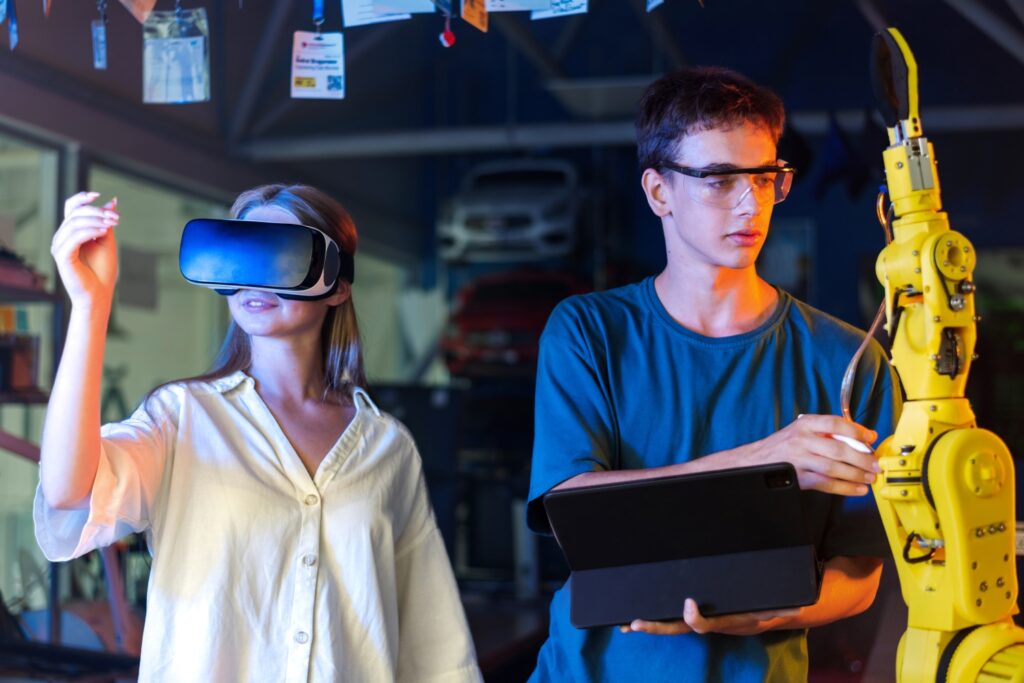
Robotics enhances problem-solving and mechanical understanding. Students gain hands-on skills with sensors, circuits, and programmable components valuable in engineering and tech careers.
Web and App Development Essentials
Learning how websites and apps function empowers students to build digital solutions, explore entrepreneurship, and gain marketable skills early in life.
AR/VR Exploration and Immersive Technology Awareness
Augmented and virtual reality are transforming education, healthcare, gaming, and training. Students who understand immersive tech gain insight into future innovation.
Digital Creativity: 3D Design, Video Production, and Multimedia Tools
Creative technology skills enable students to produce digital art, YouTube-style content, animations, and simulations. These abilities support careers in design, media, marketing, and entertainment.
Practical Ways High School Students Can Develop These Skills
School Programs, STEM Clubs, and Technology Courses
Schools often offer computer science classes, robotics clubs, media labs, or engineering programs. Participating in these activities deepens technical knowledge and builds leadership experience.
Online Learning Platforms, Certifications, and Micro-Credentials
Platforms offering beginner-friendly courses help students learn at their own pace. Certifications validate skills that students can showcase on resumes and college applications.
Hands-On Projects, Hackathons, and Real-World Problem-Solving
Hands-on learning strengthens creativity and confidence. Hackathons, coding challenges, and personal projects demonstrate initiative and technical ability.
Internships, Volunteering, and Community Tech Opportunities
Students gain real-world insight by helping local businesses, assisting school IT teams, or volunteering at community events. These experiences strengthen communication, teamwork, and digital problem-solving.
Overcoming Common Barriers to Learning Technology
Limited Access to Devices or Tools
Some students struggle with access to devices or high-speed internet. Schools, libraries, and community programs often provide equipment or free resources to help bridge this gap.
Lack of Guidance, Mentorship, or Project Direction
Without mentors, students may feel lost. Connecting with teachers, online communities, or local tech groups can provide valuable support and direction.
Time Management and Balancing Tech Learning with Schoolwork
Learning new skills requires discipline. Students can use digital planners and productivity apps to balance coursework with tech practice.
How to Showcase Technology Skills for College and Career Paths
Building a Digital Portfolio or Project Showcase
A strong portfolio highlights projects, certifications, code samples, or creative work. It demonstrates initiative and real experience.
Highlighting Skills on Resumes, Applications, and LinkedIn
Students should list technical abilities, tools used, and relevant projects. Clear and concise descriptions help admissions teams and employers understand their strengths.
Demonstrating Certifications and Practical Achievements
Certifications validate technical knowledge and show commitment to continuous learning. They also strengthen applications for internships and early career programs.
Future-Proofing: Building Lifelong Digital Competence
Staying Updated with Tech Trends
Technology evolves quickly. Students should follow trusted sources, explore updates, and understand how innovations impact daily life including areas such as technology impact on accident insurance, where advancements in AI and sensors are transforming safety standards and claim processes. This awareness helps students understand the broader effects of digital progress.
Developing Problem-Solving and Adaptability Skills
Adaptability is essential in a changing world. Students who think critically and solve problems efficiently can navigate new tools and systems with confidence. This includes recognizing how industries rely on emerging digital tools for insurance safety, which improve risk assessment and reduce incidents through real-time monitoring.
Creating a Personalized Learning Roadmap
A roadmap helps students set goals, track progress, and pursue advanced skills that match their interests. Customizing their learning path ensures long-term growth and motivation.
Conclusion: Preparing High School Students for a Tech-Driven Future
Technology skills empower high school students to succeed academically, advance career opportunities, and adapt to constant change. By developing core competencies, exploring emerging technologies, and actively seeking hands-on experiences, students prepare themselves for a rapidly evolving digital world. These future-ready skills ensure they enter adulthood with confidence, creativity, and the ability to thrive in any field shaped by innovation.