
Overview of TSA as a National STEM Organization
The Technology Student Association (TSA) is a nationwide student association dedicated to advancing STEM education through leadership, innovation, and hands-on learning. TSA operates in middle and high schools across the United States, offering students structured opportunities to explore engineering, technology, and digital problem-solving. With its long-standing reputation for academic rigor and professional skill-building, TSA serves as a bridge between classroom learning and future STEM careers.
Who TSA Serves and Why It Matters
TSA serves students who want to grow as leaders, creators, and innovators. It provides a platform for learners who enjoy applying knowledge, building technical skills, and solving meaningful challenges. TSA matters because it equips students with career-ready competencies, communication, collaboration, ethical decision-making, and technical literacy that remain essential in every modern STEM pathway.
Core Mission of the Technology Student Association
The Driving Purpose Behind TSA
The mission of the Technology Student Association is to prepare students for a rapidly evolving technological world. TSA empowers students to understand, use, and shape technology responsibly. Its purpose centers on helping young people develop leadership, creativity, and confidence through project-based learning and competitive experiences grounded in real-world problem solving.
How the Mission Supports STEM Education and Innovation
TSA strengthens STEM education by aligning its programs with industry expectations and academic standards. The mission encourages innovation by pushing students to design solutions, prototype ideas, and evaluate outcomes. These experiences deepen understanding, build critical thinking, and make STEM concepts practical and relevant.
TSA’s Vision for Future STEM Leaders
Long-Term Goals for Student Growth and Achievement
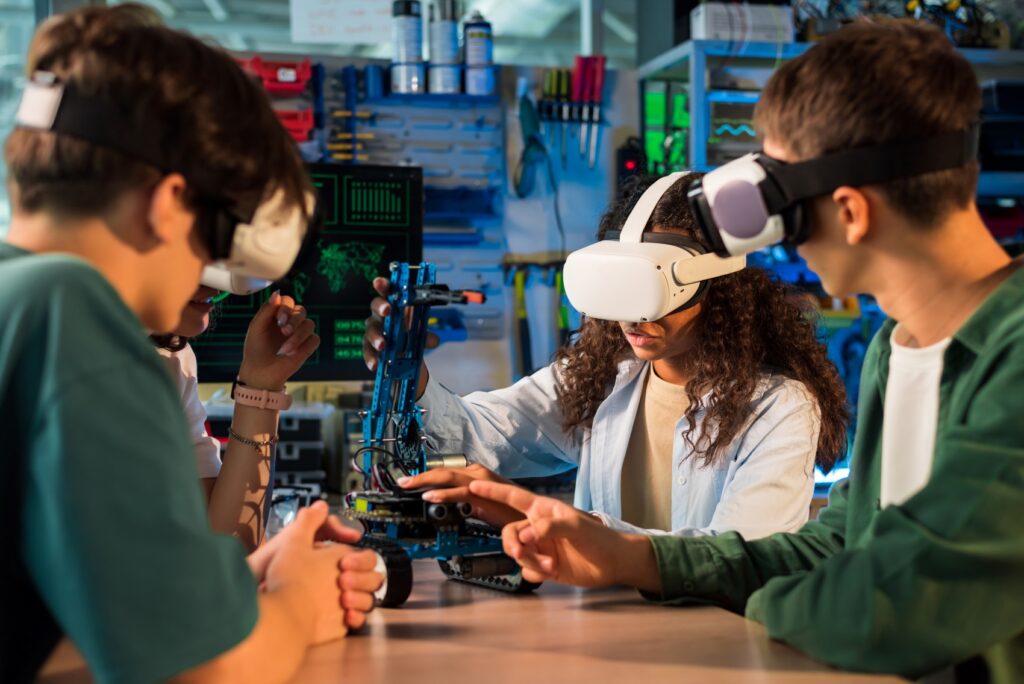
TSA’s vision extends beyond competitions. It aims to nurture lifelong learners capable of adapting to new technologies and challenges. This includes developing strong communication, teamwork, and leadership skills. TSA encourages students to set goals, reflect on their progress, and continually refine their abilities.
TSA’s Role in Building a Skilled, Ethical STEM Workforce
By promoting responsibility and integrity, TSA helps shape an ethical future workforce. Students learn not only how to build technology but also how to consider its impact on society. This balance of skill and character prepares them to make informed, principled decisions in their careers.
Key Values That Shape TSA Programs
Leadership Development Principles
Leadership is central to TSA. Students practice decision-making, teamwork, and project management. Whether leading chapters or coordinating events, members learn how to guide groups effectively and confidently.
Commitment to Technology Literacy
Technology literacy ensures students can understand and apply digital tools. TSA programs encourage exploration of coding, engineering, robotics, and design, building competence that supports academic and career success.
Integrity, Respect, and Ethical Conduct
Integrity guides every TSA activity. Students commit to honesty, fairness, and respect during competitions and collaborative projects. These values shape responsible technologists and thoughtful citizens.
Collaboration and Community Engagement
TSA encourages students to work together and participate in community-driven STEM initiatives. Collaboration strengthens communication skills, while service projects connect learning to real community needs.
How the Mission Statement Guides TSA Activities
Competitive Events and Challenges
TSA competitions are designed to reflect real industry tasks. Students engage in engineering design, cybersecurity, biotechnology, digital media, and more. Each event reinforces TSA’s mission by promoting creativity, innovation, and high standards.
Chapter Leadership and Member Responsibilities
Local chapters operate like small organizations. Students assume roles, lead meetings, manage projects, and support peers. These responsibilities help develop independence and leadership.
Real-World Application of STEM Skills
Every TSA activity emphasizes practical application. Students research, design, analyze data, and present solutions mirroring the expectations of modern STEM careers.
Educational Impact of the TSA Mission
Preparing Students for STEM Careers
TSA prepares students for engineering, technology, healthcare, and other STEM fields. Through hands-on challenges and guided learning, participants gain experience with tools, systems, and problem-solving models used by professionals.
Strengthening Problem-Solving and Critical Thinking Skills
TSA’s mission encourages students to break down problems, test solutions, and refine results. These skills apply across all academic areas and are essential for future leadership roles.
Empowering Inclusive and Diverse STEM Participation
TSA fosters an inclusive environment where every student can explore STEM. The association encourages participation from diverse communities, ensuring more voices contribute to future innovation.
Around this point, resources such as luxe teaching technologies support TSA’s mission by giving students access to modern instructional tools. These innovative platforms strengthen digital literacy, enhance project-based learning, and help educators deliver richer STEM experiences. Incorporating such technologies aligns with TSA’s commitment to preparing students for a world shaped by rapid technological advancement.
The Connection Between the TSA Mission, Motto, and Creed

How Each Component Reinforces Student Growth
The mission, motto, and creed work together to remind students of the purpose behind their learning. The mission provides direction, the motto offers inspiration, and the creed outlines the ethical standards students strive to uphold.
Why the Creed Matters for Ethical STEM Leadership
The TSA creed emphasizes responsibility, respect, and service. These principles are critical in STEM fields where decisions can impact communities and the environment. Students learn to lead with integrity and think beyond personal achievement.
TSA Advisors and Chapter Sponsors: Supporting the Mission
Advisor Roles in Student Skill Development
TSA advisors guide students as mentors and educators. They help members understand complex challenges, build technical skills, and grow as leaders. Advisors ensure chapter activities reflect TSA’s goals and values.
Integrating the Mission Into Classroom and Club Activities
Advisors embed TSA principles into lessons, projects, and competitions. They use classroom activities and premium edtech tools to enrich learning, support research, and deepen technological understanding.
Why Understanding the TSA Mission Statement Matters for Students
Benefits for Competitions, Scholarships, and Leadership Roles
Students who understand the TSA mission perform better in competitions because they grasp the purpose behind each challenge. This understanding also supports scholarship applications and strengthens leadership potential.
Developing a Purpose-Driven STEM Mindset
Knowledge of the mission helps students stay focused, motivated, and intentional about their goals. It encourages them to pursue STEM not just as a career path but as a means to contribute meaningfully to society.
Conclusion: How the TSA Mission Shapes the Next Generation of Innovators
The Technology Student Association mission statement provides direction, purpose, and inspiration for young innovators. By emphasizing leadership, technology literacy, ethical conduct, and collaboration, TSA prepares students to thrive in a rapidly evolving STEM landscape. Through its vision, values, and programs, TSA continues to shape the next generation of responsible leaders, skilled thinkers, and impactful creators.