
How Digital Systems Link Devices, Apps, and Financial Tools
Connected technologies create a seamless network between smartphones, apps, wearables, smart home devices, and financial platforms. These systems communicate in real time, allowing purchases, renewals, and automated billing to happen without manual intervention. When a user saves a card in an app, links a device to a payment method, or activates a subscription, the system stores encrypted data and triggers transactions when needed.
This growing ecosystem is reshaping how consumers interact with financial services. It also impacts related industries, including the impact of technology on liability insurance, where digital connectivity helps insurers analyze risk more accurately, monitor system performance, and understand consumer behavior. As smart platforms expand, their connection to financial activity becomes even stronger.
Why Consumers See “Connected” Activity on Credit Card Statements
Many users notice unfamiliar “connected,” “digital,” or “smart service” charges on their credit card statements. These labels often come from apps, subscription platforms, cloud services, or linked devices that use generic merchant descriptors. Because these systems automate payments in the background, the charge description might not match the app or device name the user recognizes.
How Smart Payments Work Behind the Scenes
The Technology Framework Powering Automated Transactions
Smart payments rely on an integrated infrastructure involving cloud platforms, encrypted payment gateways, tokenized card details, and background verification tools. When a device or app initiates a payment, it sends encrypted data to the payment processor, which verifies the card, checks authentication rules, and approves the transaction within seconds.
How Apps, Subscriptions, and IoT Devices Trigger Card Charges
Apps and Internet of Things (IoT) devices often operate on auto-renewal models. When a subscription cycle ends or a feature is activated, the connected service automatically charges the stored credit card. Examples include mobile apps, smart home services, vehicle telematics, digital content platforms, or on-demand cloud tools.
Understanding Credit Card Charges from Connected Services
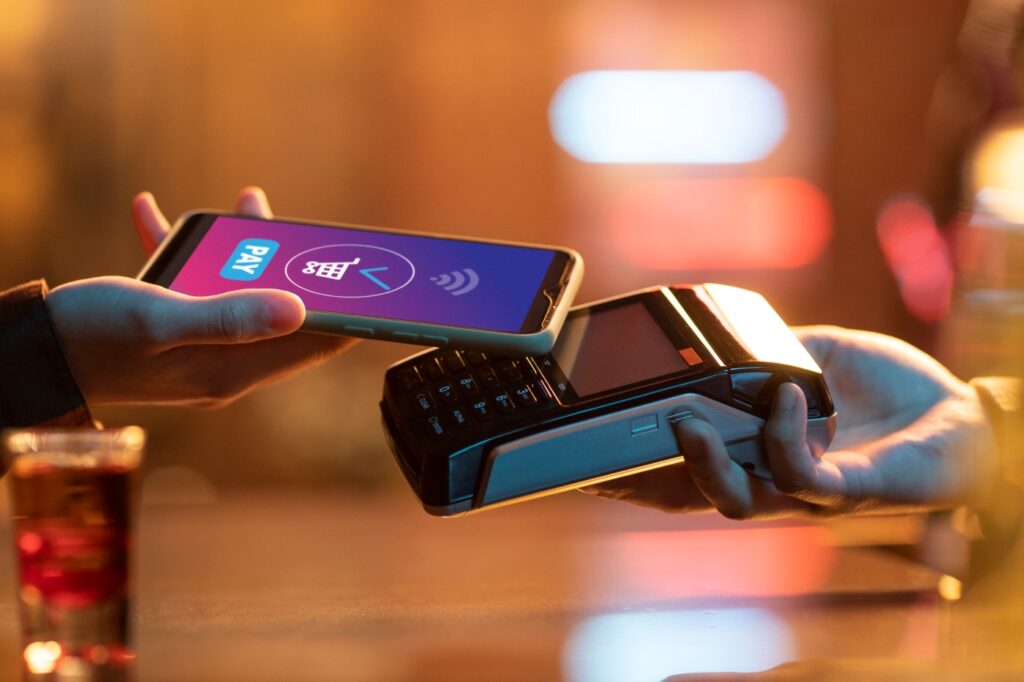
Common Reasons You May See an Unexpected Connected Tech Charge
Unexpected charges typically come from free trials converting into paid plans, forgotten subscriptions, in-app purchases, device-linked services, or shared family accounts. Sometimes a software update reactivates a feature that triggers billing.
How Merchant Descriptors Work and Why They Look Different
Merchant descriptorsthe text shown on the credit card statementare often abbreviated, branded under a parent company, or listed by a payment processor. This can make the charge appear unfamiliar even when it’s legitimate.
When a Connected Tech Charge Indicates an Error or Fraud
A charge may signal fraud if it:
- Appears multiple times unexpectedly
- Comes from a merchant you’ve never interacted with
- Occurs while your card was physically with you
- Continues after canceling a service
In these cases, immediate dispute action is necessary.
Benefits of Connected Payment Systems
Faster Checkouts and Touch-Free Transactions
Smart payments eliminate wait times. One-tap purchases, digital wallets, and auto-pay options allow frictionless transactions online and offline.
Accurate Billing Through Automation
Automation reduces manual errors. Charges align with subscription cycles, usage, or device-triggered activity, ensuring predictable, consistent payments.
Enhanced User Convenience Across Devices
Users can manage services across phones, wearables, cars, TVs, or smart home systems. Once the payment method is linked, the system handles the rest.
Security Layers Protecting Smart Payment Transactions
Tokenization and Encryption in Connected Tech Payments
Tokenization replaces card numbers with secure digital tokens. Encryption protects data during transmission. Together, they ensure no raw card details are exposed.
How AI and Real-Time Monitoring Reduce Fraud Risks
AI tracks patterns, flags anomalies, and detects unauthorized behavior instantly. Real-time alerts notify users of suspicious activity.
How Banks Handle Suspicious Connected Charges
Banks freeze the transaction, verify account owner identity, and issue replacements when needed. Many institutions use advanced insurance risk assessment technologies to evaluate digital fraud scenarios and strengthen customer protection.
Managing and Controlling Connected Technology Charges
How to Track Active Subscriptions and Linked Devices
Review subscription dashboards in app stores, payment platforms, and device settings. Smart home hubs, cars, and streaming services often have separate billing centers.
Steps to Identify Unknown Merchant Names
Search the descriptor online, review linked apps, check email receipts, or contact your bank for merchant verification.
How to Dispute Wrong or Unauthorized Smart Payment Charges
Call your card issuer, report the charge, request a temporary hold, and provide evidence. Most banks resolve disputes within a standard investigation period.
Practical Examples of Connected Tech Payments
Smart Home Devices and Auto-Renewals
Smart thermostats, cameras, and home assistants often renew cloud storage or premium features automatically.
App-Based Services, Streaming Platforms, and Digital Wallets
Apps frequently charge monthly fees for premium upgrades, content libraries, or cloud sync features.
Automotive Connected Services and In-Vehicle Purchases
Modern vehicles offer Wi-Fi plans, navigation updates, and subscription-based driving features that bill stored cards directly.
Challenges With Connected Payments & How to Solve Them

Hidden Auto-Renewals and Subscription Overlaps
Users often subscribe through multiple devices or stores, leading to duplicated charges. Regular audits prevent unnecessary spending.
Mislabelled Merchant IDs and Billing Confusion
If the descriptor is unclear, checking your digital receipts or contacting the merchant usually clarifies the source.
Ensuring User Awareness and Digital Spending Transparency
Use dashboards, reminders, and spending alerts for better visibility across all connected platforms.
Future of Connected Technologies in Credit Card Payments
Expanding Role of AI-Driven, Predictive Payment Systems
AI will anticipate renewals, manage payments, and reduce friction by automating approvals intelligently.
Growth of Wearables, Embedded Payments, and Smart Devices
Payment-enabled watches, cars, home devices, and even appliances will continue to expand the IoT payment footprint.
How Regulations Will Shape the Next Generation of Smart Payments
Stricter rules on consent, transparency, and digital billing will protect consumers while supporting innovation.
FAQs About Connected Technologies & Credit Card Charges
Why Do Connected Tech Charges Appear on My Credit Card?
They come from apps, devices, or services linked to your stored card details.
How Can I Verify Which App or Device Made the Charge?
Check app store subscriptions, email receipts, and merchant lookup tools.
Are Smart Payment Charges Safe and Secure?
Yes. They use encryption, tokenization, and secure payment gateways.
How Can I Stop Unwanted or Recurring Connected Tech Payments?
Cancel in the app or platform settings, disable auto-renew, or remove your stored payment method.
Conclusion
Connected technologies are reshaping how people pay, automate services, and manage digital spending. Understanding how these systems function helps consumers recognize legitimate credit card charges, protect themselves from fraud, and take full advantage of secure, seamless payment experiences.