15 Signs of Anxiety You Shouldn’t Ignore
Everyone feels nervous or on edge sometimes, but there’s a point where ordinary worry crosses into something more persistent. Recognizing the signs of anxiety early can make a real difference in how quickly you get relief and how much it affects your daily life. From racing thoughts and a pounding heart to trouble sleeping and constant irritability, anxiety shows up in ways that are easy to dismiss as stress or a bad week. This guide breaks down what anxiety disorder actually is, the most common symptoms to watch for, and how to tell whether what you’re feeling is normal worry or something that deserves professional attention. Understanding these signs is the first step toward feeling like yourself again.
What is anxiety disorder?
Anxiety disorder is a mental health condition marked by excessive, persistent worry or fear that doesn’t go away on its own and often interferes with everyday activities. Unlike the occasional nervousness everyone experiences before a big event, anxiety disorder involves a pattern of intense, ongoing distress that can affect work, relationships, and physical health. It’s one of the most common mental health conditions worldwide, and it often develops gradually, which is why many people don’t realize how much it’s shaping their daily routine until symptoms become hard to ignore.
What are the most common types of anxiety?
Anxiety isn’t a single condition — it includes several distinct disorders, each with its own pattern. Generalized anxiety disorder involves chronic worry about everyday matters. Social anxiety disorder centers on fear of judgment in social situations. Panic disorder brings sudden, intense episodes of fear along with physical symptoms. Specific phobias involve intense fear of a particular object or situation, while separation anxiety disorder involves distress over being apart from someone significant. Knowing which type matches your experience helps guide the right approach to treatment.
What are some anxiety symptoms?
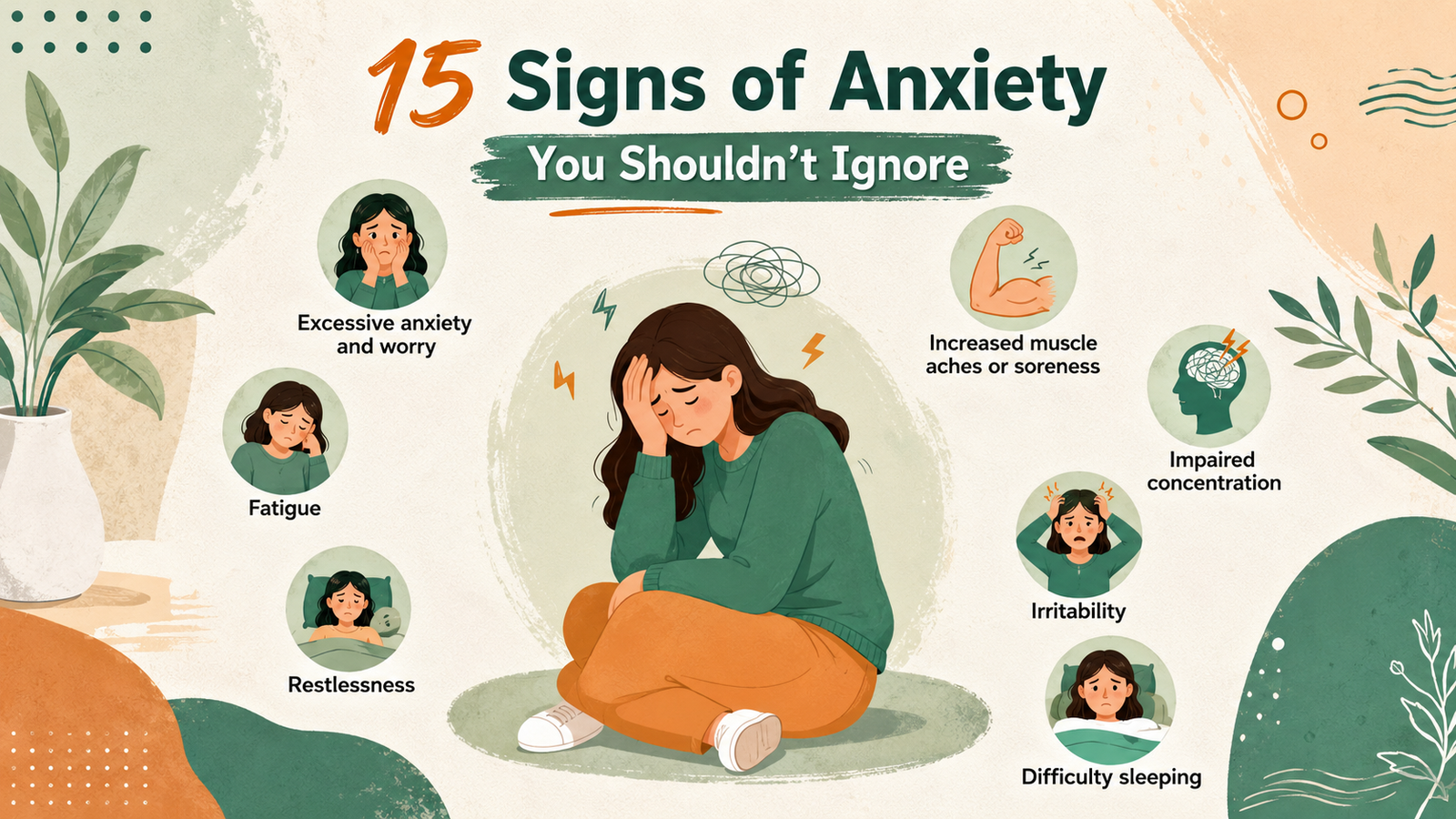
Anxiety symptoms show up both mentally and physically. Common signs include restlessness, a racing heart, muscle tension, difficulty concentrating, irritability, and trouble falling or staying asleep. Many people also experience a persistent sense of dread, excessive sweating, shortness of breath, or an upset stomach with no clear medical cause. These symptoms can appear occasionally or become a near-constant presence, and they often intensify during periods of stress. Because anxiety symptoms overlap with other health issues, it’s easy to overlook them or attribute them to something else entirely.
How can you tell if your anxiety is normal or a sign of anxiety disorder?
Not all anxiety requires treatment — a certain amount is a normal, even useful, response to stress. The difference lies in frequency, intensity, and impact.
Does anxiety interfere with your life?
If anxiety is making it hard to concentrate at work, maintain relationships, or complete daily tasks, that’s a strong signal it has moved beyond typical worry and may need attention.
How severe is your anxiety?
Mild anxiety tends to pass once the triggering situation resolves. Anxiety disorder, on the other hand, often feels disproportionate to the situation and can linger for weeks or months without an obvious cause.
Is it normal to feel anxiety in a certain situation?
Some anxiety is expected in high-pressure moments, like public speaking or a job interview. It becomes a concern when the same intensity of fear shows up in situations that don’t typically call for it.
What’s the difference between fear and anxiety?
Fear is a response to an immediate, identifiable threat, while anxiety is more about anticipating a threat that may or may not happen. Fear tends to fade once the danger passes; anxiety can persist long after, fueled by “what if” thinking rather than a specific event. Both trigger similar physical reactions, but anxiety’s tendency to linger without a clear trigger is part of what makes it more difficult to manage day to day.
Causes
Anxiety disorders typically develop from a mix of genetic, environmental, and psychological factors rather than a single cause. Family history, ongoing stress, trauma, and personality traits like heightened sensitivity to stress can all contribute. In many cases, anxiety builds gradually over time rather than appearing suddenly.
Medical causes
Certain medical conditions can trigger or worsen anxiety symptoms, including thyroid problems, heart conditions, chronic pain, and side effects from some medications. This is why a proper diagnosis often involves ruling out physical health issues before addressing anxiety directly.
Risk factors
Several factors can increase the likelihood of developing an anxiety disorder, including a family history of anxiety or other mental health conditions, exposure to trauma or chronic stress, certain personality traits, and coexisting conditions like depression. Substance use and major life changes, such as losing a job or going through a difficult transition, can also raise the risk.
When to see a doctor
If anxiety symptoms are persistent, interfere with daily functioning, or come with physical symptoms like chest pain or difficulty breathing, it’s time to consult a doctor. Early evaluation helps rule out other conditions and opens the door to effective treatment before symptoms become harder to manage.
How is anxiety diagnosed?
Anxiety disorder is typically diagnosed through a combination of a physical exam, a review of symptoms and their duration, and standardized psychological questionnaires. A doctor will often ask about how symptoms affect daily life and rule out medical causes before confirming a diagnosis, since accurate diagnosis is key to choosing the right treatment path.
How is anxiety disorder treated?
Treatment usually combines therapy, lifestyle adjustments, and sometimes medication, tailored to the severity and type of anxiety involved.
Medications for anxiety disorders
Doctors may prescribe antidepressants, anti-anxiety medications, or beta-blockers depending on symptoms and their severity. Medication is often most effective when combined with therapy rather than used alone.
Cognitive behavior therapy (CBT) for anxiety disorders
CBT is one of the most well-supported treatments for anxiety. It helps people identify and reframe unhelpful thought patterns, gradually reducing the intensity and frequency of anxious responses over time.
What can you do on your own to relieve anxiety?
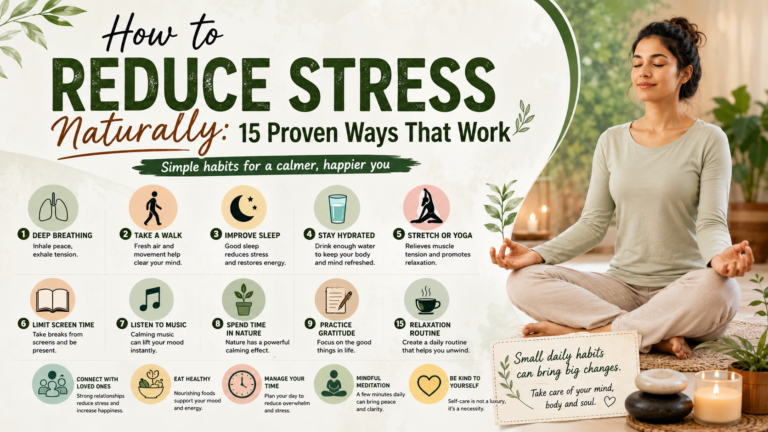
Alongside professional treatment, self-care strategies can meaningfully reduce anxiety symptoms. Regular physical activity, consistent sleep, limiting caffeine and alcohol, practicing deep breathing, and staying connected with supportive people all contribute to better emotional regulation. Building these habits consistently, rather than only during stressful moments, tends to produce the most lasting results.
Complications
Left unaddressed, anxiety disorder can lead to complications including depression, substance use issues, sleep disorders, and strained relationships. It can also worsen existing health conditions, since chronic stress takes a toll on the cardiovascular and immune systems over time.
Prevention
While anxiety disorder can’t always be prevented, certain habits reduce risk and severity, including managing stress early, staying physically active, limiting alcohol and stimulant use, and seeking support at the first sign of persistent symptoms rather than waiting for them to worsen. Early intervention consistently leads to better long-term outcomes.