Mental Health Awareness: Break the Stigma, Start Healing
Mental health awareness means understanding, recognizing, and openly discussing emotional and psychological well-being without fear or judgment. It plays a vital role in helping people identify early signs of mental distress, seek timely support, and break the silence that often surrounds mental illness. For decades, conversations around mental health were pushed aside, leaving millions to struggle in isolation. Today, that narrative is changing. Communities, workplaces, and schools are beginning to treat mental well-being with the same seriousness as physical health. This shift matters because untreated mental health conditions can affect relationships, productivity, and overall quality of life. Understanding this topic is the first step toward building a more compassionate and informed society.
What is Mental Health?
Mental health refers to a person’s emotional, psychological, and social well-being. It influences how individuals think, feel, and act in daily life, and it also shapes how they handle stress, relate to others, and make decisions. Good mental health doesn’t mean the complete absence of problems—it means having the resilience and tools to cope with life’s challenges effectively.
Mental health exists on a spectrum. A person can experience periods of strong emotional stability and other times face difficulties that affect their functioning. Factors such as genetics, life experiences, family history, and environment all contribute to a person’s mental state. Recognizing that mental health is fluid, not fixed, helps remove the misconception that struggling emotionally is a permanent flaw rather than a treatable condition.
What is Mental Health Awareness?
Mental health awareness is the effort to educate people about mental health conditions, reduce stigma, and encourage open conversations about emotional well-being. It involves spreading accurate information, promoting empathy, and helping individuals recognize symptoms in themselves or others before they escalate.
Awareness campaigns often focus on three core goals: education, early intervention, and access to care. By teaching people what mental illness actually looks like—rather than relying on stereotypes—awareness initiatives make it easier for individuals to seek help without shame. Schools, workplaces, and healthcare systems increasingly incorporate mental health awareness programs to normalize discussions that were once considered taboo.
Why is Mental Health Awareness Important?
Raising mental health awareness is important because it directly impacts how people respond to their own struggles and those of others. When awareness is low, people often ignore warning signs, delay treatment, or feel isolated in their experiences. This silence can worsen conditions that might have been manageable with early support.
On the other hand, strong mental health awareness leads to earlier diagnosis, better treatment outcomes, and stronger community support systems. It also reduces discrimination against people living with mental illness, allowing them to seek help without fear of judgment at work, school, or home. Awareness efforts additionally influence policy changes, pushing governments and organizations to invest more in mental health services and accessible care.
How Common are Mental Illnesses?
Mental health conditions are far more common than many people assume. Anxiety and mood disorders rank among the most frequently diagnosed conditions worldwide, affecting people across all age groups, genders, and backgrounds. Many individuals experience some form of mental health challenge at least once in their lifetime, whether temporary or long-term.
Despite how widespread these conditions are, a significant number of cases go undiagnosed or untreated. This gap often stems from stigma, lack of access to mental health professionals, or simply not recognizing the symptoms. Understanding how common these conditions truly are helps normalize the conversation and reminds people that they are not alone in their struggles.
Impact on Daily Life
Mental health conditions don’t just affect emotions—they influence nearly every aspect of daily functioning. Concentration, decision-making, sleep patterns, and energy levels can all decline when mental health is compromised. Relationships may suffer as communication becomes difficult, and work or academic performance can drop due to reduced focus and motivation.
Physical health is also closely tied to mental well-being. Chronic stress, anxiety, and depression can contribute to issues like fatigue, headaches, digestive problems, and weakened immunity. Left unaddressed, these conditions can create a cycle where poor mental health leads to poor physical health, which further worsens emotional well-being. This is why early recognition and intervention are essential for maintaining overall quality of life.
What Are the Four Primary Types of Mental Health Disorders?
Mental health disorders vary widely in symptoms and severity, but most fall into four broad categories. Understanding these categories helps individuals recognize patterns and seek the right type of support.
Anxiety Disorders
Anxiety disorders involve excessive worry, fear, or nervousness that interferes with daily activities. Common symptoms include restlessness, rapid heartbeat, difficulty concentrating, and avoidance of certain situations. Conditions like generalized anxiety disorder, social anxiety, and panic disorder fall under this category. While occasional anxiety is a normal part of life, persistent and overwhelming anxiety often requires professional attention.
Mood Disorders
Mood disorders affect a person’s emotional state, often causing prolonged periods of sadness, hopelessness, or extreme mood swings. Depression and bipolar disorder are among the most recognized mood disorders. These conditions can significantly impact energy levels, motivation, and the ability to enjoy everyday activities, making early diagnosis and treatment important.
Psychotic Disorders
Psychotic disorders involve a disconnect from reality, which may include hallucinations, delusions, or disorganized thinking. Schizophrenia is one of the most well-known conditions in this category. These disorders often require a combination of medication and long-term therapeutic support to manage symptoms effectively.
Eating Disorders
Eating disorders involve unhealthy patterns related to food, body image, and eating behavior. Conditions such as anorexia, bulimia, and binge eating disorder can have serious physical and emotional consequences if left untreated. These disorders are often linked to underlying emotional distress, making mental health support a key part of recovery.
Risks and Protective Factors
Several factors can increase the likelihood of developing mental health conditions, including genetic predisposition, chronic stress, trauma, substance abuse, and social isolation. Life events such as loss, financial hardship, or major transitions can also trigger or worsen symptoms.
On the other hand, certain protective factors help build resilience against mental health challenges. Strong social support, healthy coping mechanisms, stable relationships, and access to mental health resources all contribute to better emotional well-being. Recognizing both risk and protective factors allows individuals and communities to take proactive steps toward prevention rather than only reacting after problems arise.
How to Seek Help And Support?
Seeking help for mental health concerns starts with acknowledging that support is needed—a step that can feel difficult due to stigma, but is essential for recovery. Speaking with a trusted doctor, therapist, or counselor is often the first practical move. Mental health professionals can properly assess symptoms and recommend appropriate treatment plans tailored to individual needs.
Support can also come from trusted friends, family members, or support groups who provide a safe space to share experiences. Many communities offer helplines and free counseling services for those who may not have immediate access to private care. Reaching out early, rather than waiting for symptoms to worsen, generally leads to better outcomes.
Medication
For some mental health conditions, medication plays an important role in managing symptoms. Antidepressants, anti-anxiety medications, and mood stabilizers are commonly prescribed based on the specific condition and its severity. Medication is often most effective when combined with therapy, as it addresses the biological aspects of mental illness while therapy helps build coping strategies. It’s important that medication is only taken under the guidance of a qualified healthcare provider, since dosages and types vary significantly from person to person.
Self-Care Tips
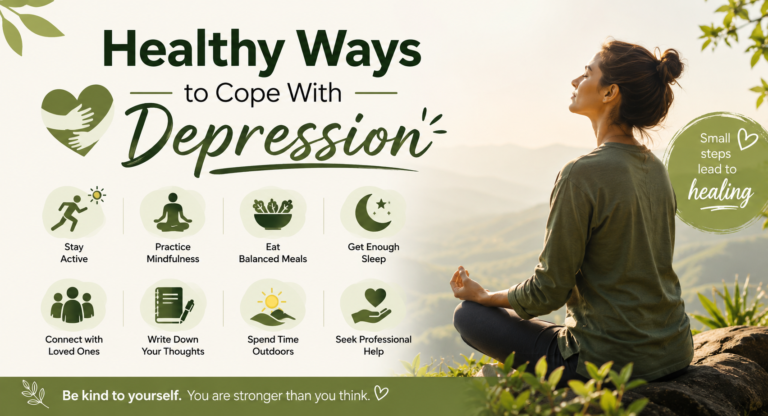
While professional treatment is essential for many mental health conditions, daily self-care practices can support overall emotional well-being. Maintaining a consistent sleep schedule, eating balanced meals, and engaging in regular physical activity all contribute to better mental stability.
Practicing mindfulness, journaling, or setting aside time for hobbies can help reduce stress and improve mood. Limiting exposure to negative triggers, such as excessive social media use, and nurturing meaningful relationships also play a role in maintaining emotional balance. Self-care isn’t a replacement for professional treatment, but it complements it by reinforcing healthy habits in everyday life.
Conclusion
Mental health awareness is not just a passing conversation—it’s a necessary shift toward understanding, empathy, and timely support. By recognizing the signs of mental illness, understanding its impact on daily life, and knowing where to seek help, individuals can take meaningful steps toward better emotional well-being. Breaking the stigma around mental health starts with open dialogue, education, and a willingness to support one another. As awareness continues to grow, more people will feel empowered to seek help without fear, paving the way for healthier individuals and stronger communities.