A Guide to Basic Stretches: Best Exercises for Flexibility
It’s helpful to include stretching in your exercise plan. Stretching can increase flexibility and improve the range of motion in your joints. Being more flexible can help you move more freely and be better able do daily activities. And the flexibility you gain from stretching might protect you from injury.
Balance exercises, such as balancing on one foot, can help prevent and cut the risk of injury from falls too.
Stretching safely
Before stretching, warm up with 5 to 10 minutes of light activity. It’s usually best to stretch after a workout. Keep stretches gentle and slow. Don’t bounce. Breathe through your stretches. If you feel pain, you’ve stretched too far.
Stretch until you feel a slight pull. Then hold the stretch for about 30 seconds. Repeat the stretch on both sides 2 to 4 times. Aim to stretch major muscle groups in your body at least 2 to 3 days a week.
If you have health conditions or injuries, talk to a healthcare professional or physical therapist about which stretches are right for you.
Calf stretch
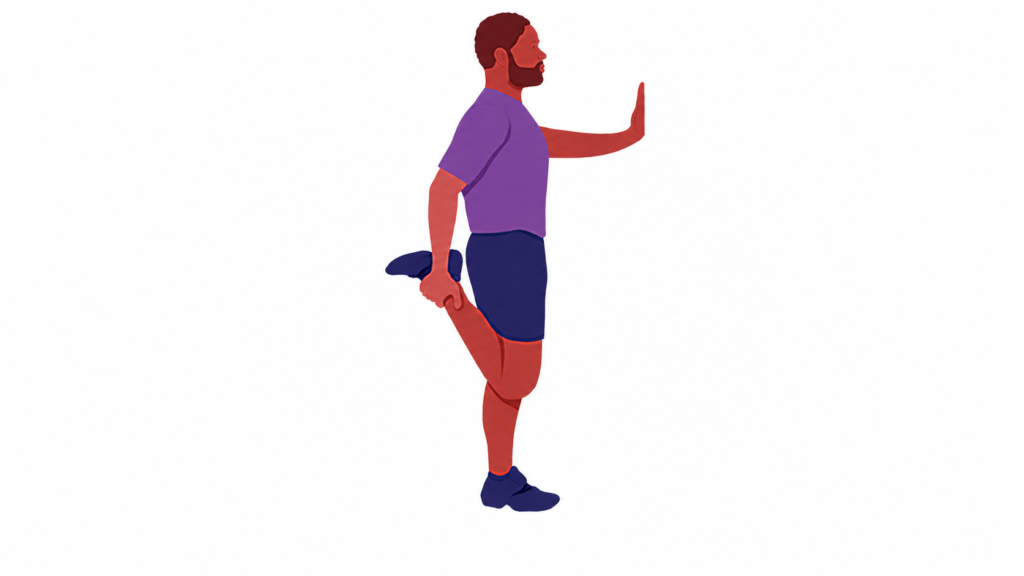
The calf muscle runs along the back of the lower leg. To stretch the calf muscles:
- Stand at arm’s length from a wall or a piece of sturdy exercise equipment.
- Put your right foot behind your left foot.
- Slowly bend your left leg forward, keeping your right knee straight and your right heel on the floor.
- Hold your back straight and your hips forward. Don’t rotate your feet inward or outward.
- Hold for about 30 seconds.
- Switch legs and repeat.
To deepen the stretch, slightly bend your right knee as you bend your left leg forward.
Hamstring stretch
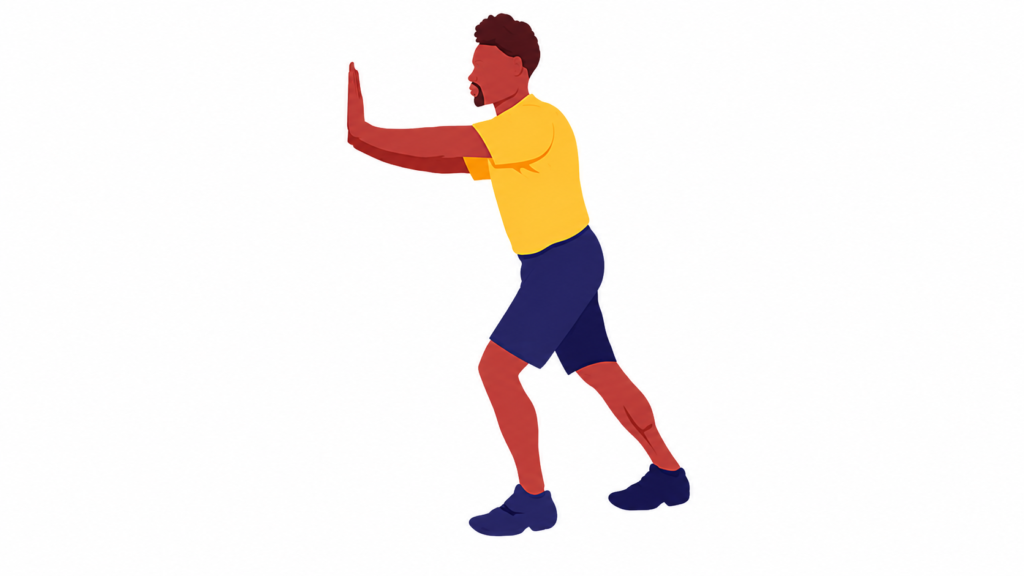
The hamstring muscle runs along the back of the upper leg. To stretch the hamstring muscles:
- Lie on the floor near the outer corner of a wall or a door frame so that your left leg is next to the wall.
- Raise your left leg and rest your left heel against the wall. Keep your left knee slightly bent.
- Gently straighten your left leg until you feel a stretch along the back of your left thigh.
- Hold for about 30 seconds.
- Switch legs and repeat.
As your flexibility increases, increase the stretch by gradually scooting yourself closer to the wall or door frame.
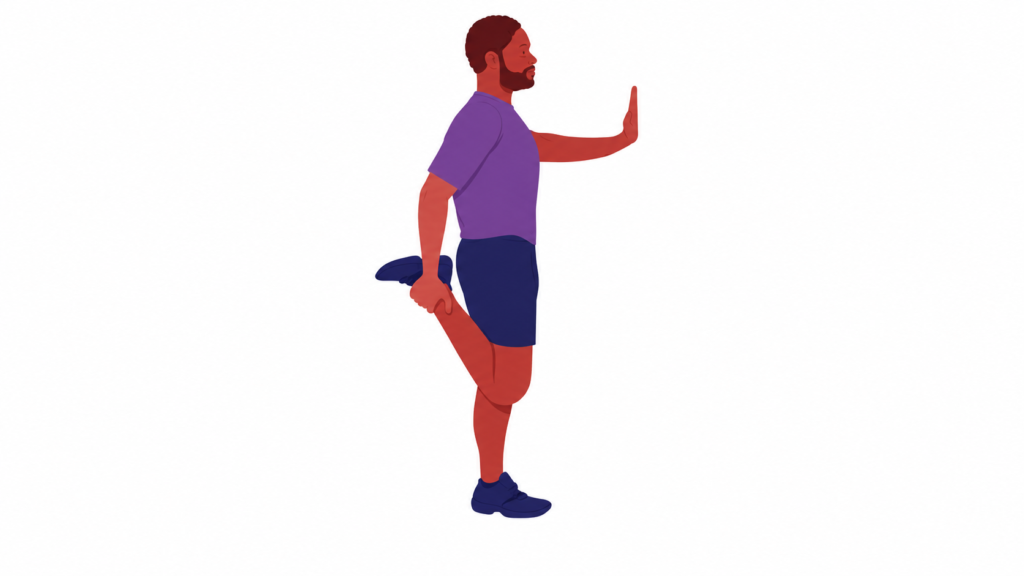
Quadriceps stretch
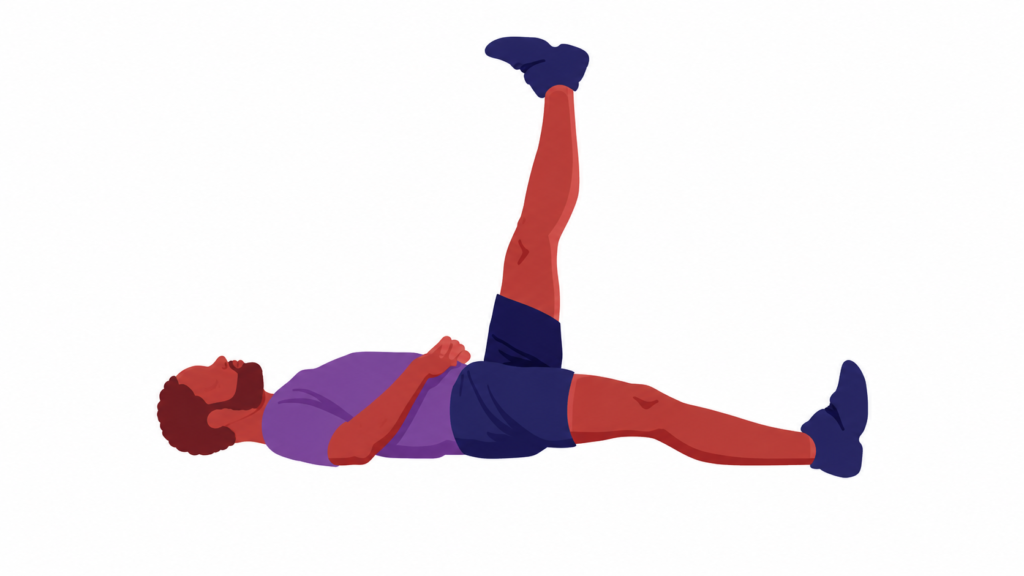
The quadriceps muscle runs along the front of the thigh. To stretch the quadriceps muscles:
- Stand near a wall or a piece of sturdy exercise equipment for support.
- Grasp your ankle and gently pull your heel up and back until you feel a stretch in the front of your thigh.
- Tighten the abdominal muscles to prevent your stomach from sagging outward, and keep your knees close together.
- Hold for about 30 seconds.
- Switch legs and repeat.
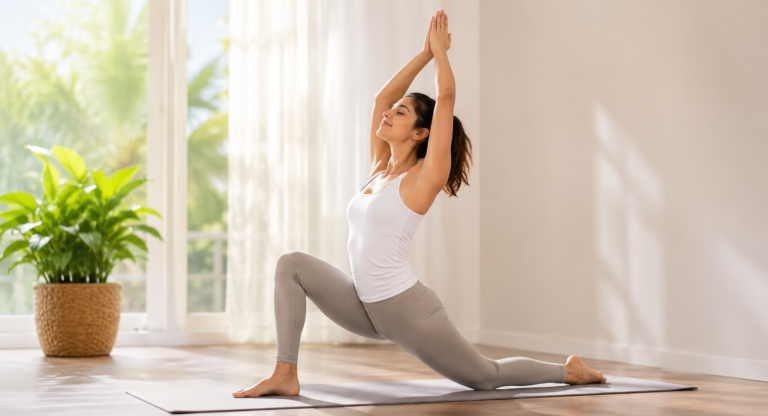
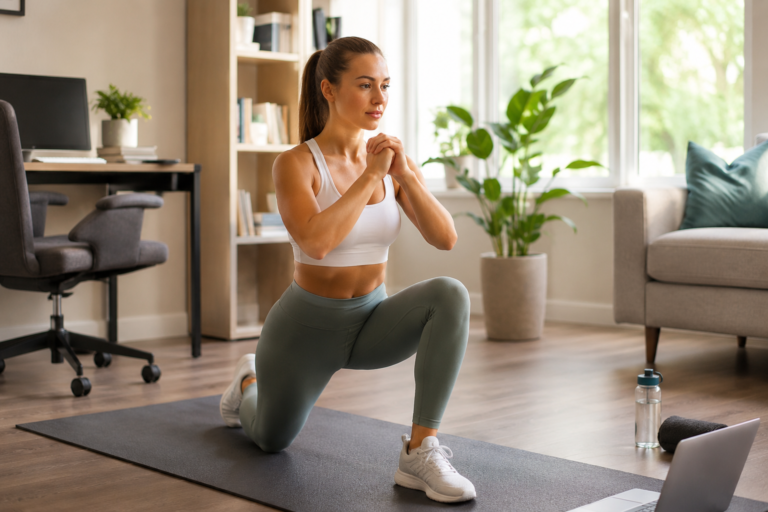
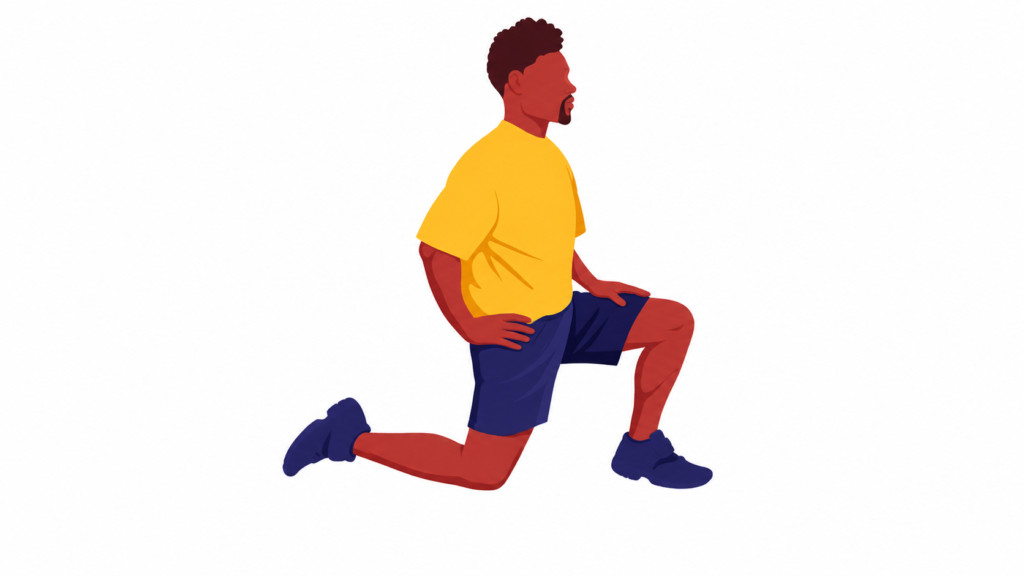
Hip flexor stretch
The hip flexors allow you to lift your knees and flex at your waist. These muscles are found on the upper thighs, just below the hip bones. To stretch your hip flexors:
- Kneel on your right knee. Use a folded towel to cushion your kneecap.
- Place your left foot in front of you, bending your knee and placing your left hand on your left leg for stability.
- Place your right hand on your right hip to avoid bending at your waist. Keep your back straight and abdominal muscles tight.
- Lean forward, shifting more body weight onto your front leg. You’ll feel a stretch in your right thigh.
- Hold for about 30 seconds.
- Switch legs and repeat.
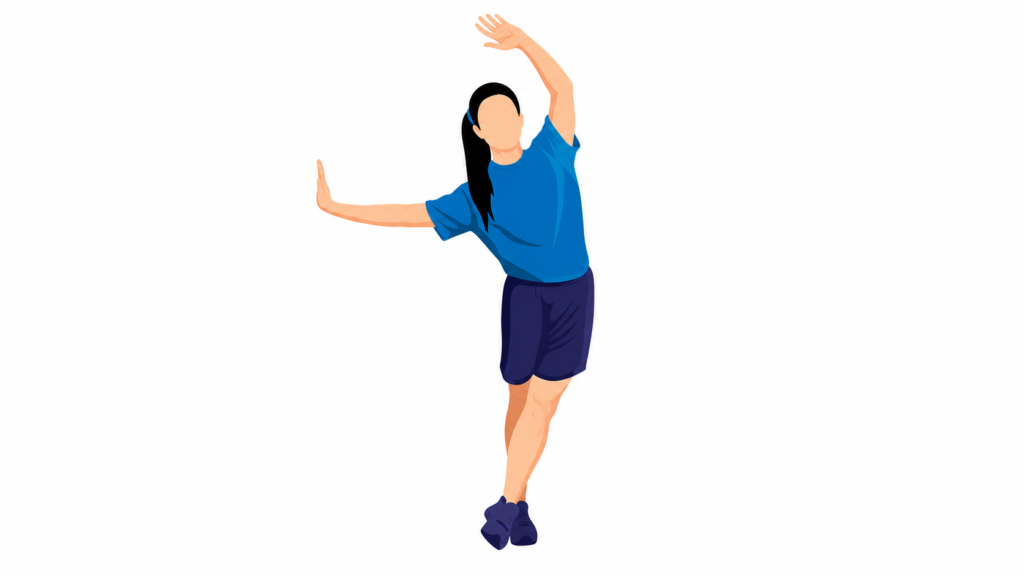
Iliotibial band stretch
The iliotibial band (ITB) is a band of tissue that runs outside the hip, thigh and knee. To stretch the ITB:
- Stand near a wall or a piece of sturdy exercise equipment for support.
- Cross your left leg over your right leg at the ankle.
- Extend your left arm overhead, reaching toward your right side. You’ll feel a stretch along your left hip.
- Hold for about 30 seconds.
- Switch sides and repeat.