10 Mental Health Exercises That Actually Reduce Stress Fast
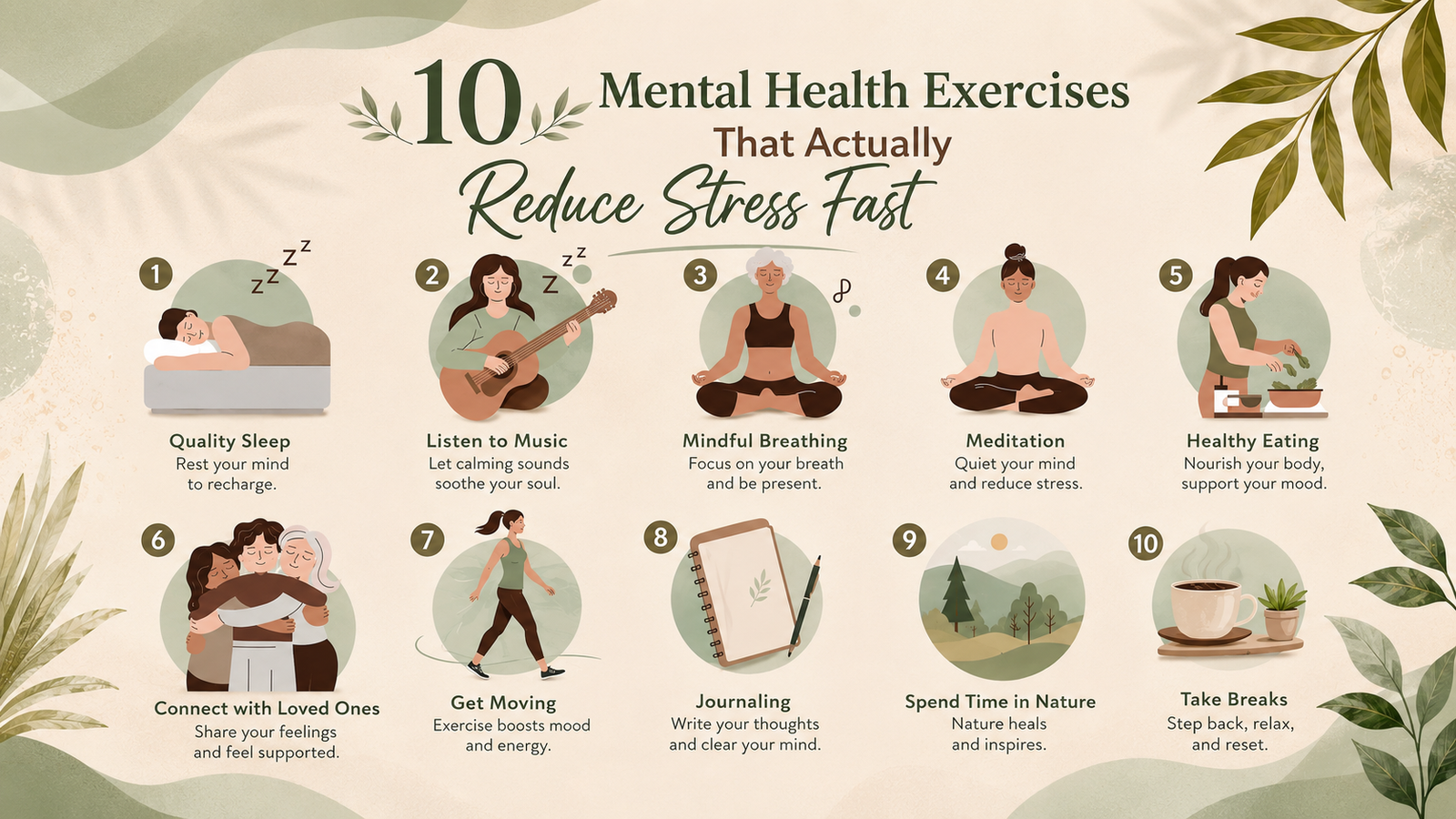
Stress doesn’t wait for a convenient time to show up, and most people don’t have hours to spend fixing it. The good news is that you don’t need hours. A handful of simple mental health exercises, practiced consistently, can lower stress levels within minutes and build long-term resilience over time. These aren’t vague wellness tips, they’re practical techniques backed by psychology and used by therapists, coaches, and everyday people who need something that actually works. In this guide, you’ll find ten exercises you can start today, no equipment or experience required, along with guidance on building them into a routine and knowing when it’s time to seek extra support.
How Stress Affects Mental and Physical Health
Chronic stress doesn’t stay confined to your mind. It raises cortisol levels, disrupts sleep, weakens the immune system, and can contribute to anxiety, high blood pressure, and digestive issues. Over time, unmanaged stress affects concentration, mood, and even relationships, as the nervous system stays locked in a constant state of alert. Recognizing these effects early is important, because it’s often the first sign that your body needs intervention not willpower, but structured, repeatable practices that calm the nervous system and restore balance. This is exactly where targeted mental health exercises make a measurable difference.
1. Deep Breathing Exercises
Deep breathing is one of the fastest ways to signal safety to your nervous system. When you breathe slowly and deeply inhaling for four counts, holding for four, and exhaling for six you activate the parasympathetic nervous system, which lowers heart rate and reduces cortisol. Techniques like box breathing or diaphragmatic breathing can be done anywhere, whether you’re at your desk, in traffic, or lying in bed. Just two to three minutes of focused breathing can noticeably shift how tense or anxious you feel, making it one of the most accessible stress-relief tools available.
2. Gratitude Journaling
Writing down three things you’re grateful for each day shifts your brain’s attention away from threat and toward reward. This isn’t about ignoring real problems, it’s about training your mind to notice what’s working, which research links to improved mood and lower anxiety over time. Gratitude journaling doesn’t need to be elaborate. A simple notebook or notes app entry, done consistently for a few weeks, can create a genuine shift in emotional outlook and reduce the grip that daily stressors have on your thoughts.
3. Progressive Muscle Relaxation
Progressive muscle relaxation involves tensing and then releasing each muscle group in your body, starting from your toes and working upward. This method helps you become more aware of physical tension you might otherwise carry unconsciously tight shoulders, a clenched jaw, or a furrowed brow. By deliberately tensing and releasing, you teach your body what relaxation actually feels like, which makes it easier to recognize and release stress in real time. It’s especially useful before bed, when physical tension often keeps the mind racing.
4. Mindfulness Meditation
Mindfulness meditation trains you to observe thoughts and sensations without judgment, rather than getting swept up in them. Even five to ten minutes a day, focusing on your breath or bodily sensations, can reduce rumination and improve emotional regulation. Apps and guided recordings make this easier for beginners, but the core practice is simple: sit quietly, notice when your mind wanders, and gently bring attention back. Over time, mindfulness builds a kind of mental distance from stress, so it feels less overwhelming when it arises.
5. Physical Exercise
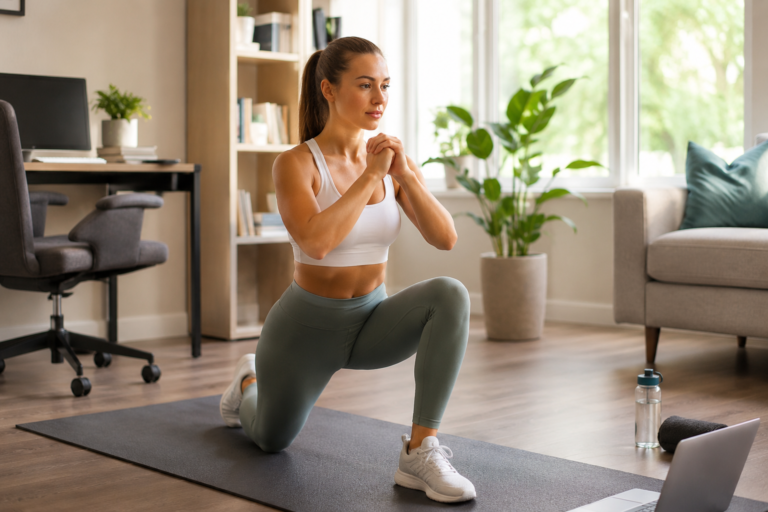
Movement is one of the most effective mental health exercises available, and it doesn’t require an intense workout to work. Walking briskly for twenty minutes, cycling, dancing, or even stretching releases endorphins and reduces stress hormones. Exercise also improves sleep quality and boosts self-esteem, both of which play a direct role in how well you handle daily pressures. The key isn’t intensity, it’s consistency. Regular movement, even in small doses, compounds into significant stress relief over weeks and months.
6. Cognitive Reframing
Cognitive reframing is the practice of identifying unhelpful thought patterns and consciously shifting them into more balanced perspectives. Instead of thinking “I completely failed at this,” reframing encourages a more accurate view: “This didn’t go as planned, but I learned something useful.” This technique, borrowed from cognitive-behavioral therapy, helps interrupt spirals of negative thinking that often fuel stress and anxiety. With practice, reframing becomes an automatic habit that softens the emotional impact of setbacks.
7. Social Connection Activities
Talking to a trusted friend, joining a group activity, or simply spending quality time with people who make you feel supported can significantly lower stress levels. Social connection triggers the release of oxytocin, which counteracts stress hormones and fosters a sense of safety and belonging. Isolation, on the other hand, tends to amplify stress and negative thinking. Making time for meaningful conversations or shared activities isn’t just enjoyable, it’s a genuine mental health exercise with measurable benefits.
8. Nature Exposure
Spending time outdoors, even for fifteen to twenty minutes, has been shown to lower cortisol levels and improve mood. Whether it’s a walk in a park, sitting near trees, or simply stepping outside during a break, exposure to natural environments reduces mental fatigue and restores focus. This effect, sometimes called “green space therapy,” works because nature engages the senses gently, giving the overstimulated mind a chance to rest without effort.
9. Creative Expression
Painting, writing, playing music, or any form of creative expression allows emotions to be processed in a non-verbal, low-pressure way. Creative activities activate different parts of the brain than analytical thinking, offering a genuine mental break from stress-inducing thoughts. You don’t need talent or a finished product; the goal is expression, not perfection. Many people find that even doodling for ten minutes provides real emotional relief.
10. Sleep Hygiene Practices
Poor sleep and high stress feed into each other in a frustrating cycle. Improving sleep hygiene, keeping a consistent bedtime, limiting screens before bed, and creating a calm sleep environment directly supports your ability to manage stress the next day. Quality sleep restores the brain’s capacity for emotional regulation, making every other exercise on this list more effective. Prioritizing sleep isn’t a luxury; it’s a foundational mental health exercise in its own right.
Building a Mental Health Exercise Routine
The exercises above work best when practiced consistently rather than only during moments of crisis. Start small: pick one or two techniques that feel manageable, such as deep breathing in the morning and a gratitude journal at night. As these become habits, layer in others like physical exercise or mindfulness meditation. Consistency matters more than intensity five minutes daily will outperform an occasional hour-long session. Tracking your mood alongside your routine can also help you notice which exercises make the biggest difference for you personally.
When Professional Help Is Needed
Self-guided mental health exercises are powerful, but they aren’t a substitute for professional care when stress becomes overwhelming or persistent. If you’re experiencing ongoing anxiety, difficulty functioning day to day, or symptoms that don’t improve despite consistent effort, it’s worth reaching out to a therapist or doctor. Professional support can offer personalized strategies, and in some cases, additional treatment options that go beyond what self-practice alone can address.
Frequently Asked Questions
What are mental health exercises?
Mental health exercises are simple, repeatable practices such as deep breathing, journaling, or mindfulness designed to reduce stress, regulate emotions, and support overall psychological wellbeing.
Can mental health exercises really reduce stress?
Yes. Techniques like deep breathing, physical exercise, and mindfulness meditation have been shown to lower cortisol levels and activate the body’s relaxation response, providing measurable stress relief.
How often should a person practice mental health exercises?
Daily practice, even for just five to ten minutes, tends to produce the best results. Consistency helps build lasting resilience rather than temporary relief.
Which mental health exercise is best for anxiety or overwhelm?
Deep breathing and progressive muscle relaxation are often the fastest options for immediate relief, while mindfulness meditation and cognitive reframing help manage anxiety over the longer term.
When should someone see a doctor about stress?
If stress interferes with daily functioning, sleep, relationships, or physical health for an extended period, it’s important to consult a doctor or mental health professional for proper support.