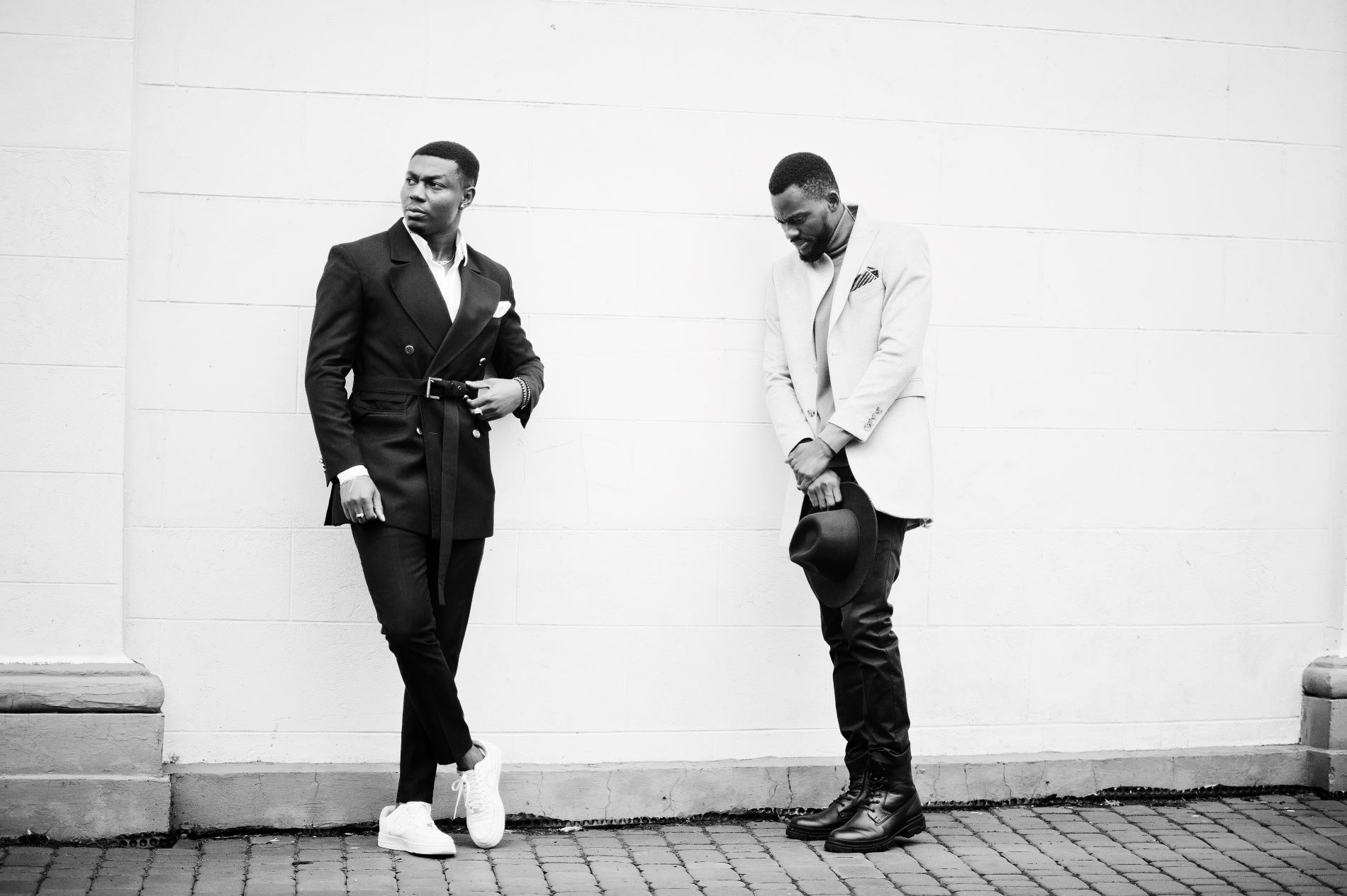
9 Modern Avant Garde Fashion Ideas That Turn Heads
In the ever-evolving world of men’s fashion, two terms often spark intrigue and confusion: avant-garde and haute couture.
While both represent pinnacles of sartorial creativity, they differ significantly in their approach, purpose, and execution.
This comprehensive guide delves into the realm of avant-garde fashion, its distinction from haute couture, and its unique place in menswear.
What Is Avant Garde Fashion?
Avant garde fashion refers to clothing and design that goes far beyond conventional style. The phrase “avant garde” comes from the French military term for “advance guard” those who go ahead of the rest. In fashion, it means pushing creative boundaries to explore new ideas, challenge trends, and create conversation.
This type of fashion often blurs the lines between clothing and art. While mainstream fashion focuses on trends and wearability, avant garde fashion is about concept and impact. It’s not designed for mass appeal. It’s designed to provoke, question, and break the mold.
If you’re wondering what avant garde means in fashion, it’s this: fashion that isn’t afraid to be different, even if it’s not always wearable or understood by everyone. It’s an artistic rebellion, and it shows up in everything from high-concept runway looks to limited-edition statement pieces.
Key elements of avant garde fashion:
- Experimental cuts and shapes that alter the body’s natural silhouette
- Unusual fabrics or textures like metal, mesh, neoprene, or recycled materials
- Emotional or artistic expression is often tied to a message or story
- Not designed for daily wear, but still deeply influential in fashion culture
A Brief History of Avant Garde Fashion
Avant garde fashion didn’t appear overnight, it evolved through decades of radical design thinking and cultural shifts. Here’s how it developed into the bold and influential movement we know today:
- 1920s: Elsa Schiaparelli
One of the earliest pioneers, Schiaparelli, fused art and fashion, collaborating with Salvador Dalí to bring surrealism into clothing. - 1960s–1970s: The Rise of Japanese Avant Garde
Designers like Rei Kawakubo (Comme des Garçons) and Yohji Yamamoto challenged Western beauty standards with asymmetric cuts and gender-neutral designs. - 1990s: Alexander McQueen
Known for theatrical runway shows and controversial themes, McQueen pushed fashion to emotional and artistic extremes. - 2000s–Now: Fashion Meets Streetwear and Technology
Today’s avant garde fashion incorporates digital art, 3D printing, recycled materials, and collaborations between tech and fashion industries.
Each of these moments shows how avant garde fashion continually reinvents itself while staying true to its roots: pushing the boundaries of what fashion can be.
Avant Garde Fashion Roots
The term “Avant-garde” originates from French, where “avant” means before and “garde” means guard – the equivalent of “vanguard” in English – signifying a generation of designers carrying the torch or taking over from the old guard.
The avant-garde movement in fashion has its origins in early 20th-century art movements, particularly Dadaism and Surrealism.
Avant Garde in the 21st Century
Today, Avant-garde fashion is theatrical where designers express their creative visions in 4 main areas, namely material innovation, sustainability, gender-fluidity, and technology integration.
Material Innovation
On such area is related to material innovation. The use of unconventional materials is a hallmark of avant-garde fashion.
For example, Kosuke Tsumura, the designer behind Final Home, created a coat made from nylon with multiple pockets that could be filled with newspaper for insulation, challenging traditional notions of menswear functionality and adaptability.
Key Avant Garde Fashion Designers to Know
When talking about avant garde designers fashion, these names have made a lasting impact by pushing boundaries and redefining what fashion can be:
Pierre Cardin
A pioneer of space-age fashion, Cardin’s futuristic designs in the 1960s and 70s pushed menswear into new frontiers.
His use of geometric shapes, novel synthetic fabrics, and unconventional silhouettes in men’s clothing laid the groundwork for much of today’s avant-garde fashion.
Cardin’s ‘Cosmocorps’ collection in 1964 envisioned a unisex future for fashion.
Issey Miyake
Miyake’s innovative approach to fabric and form has revolutionised menswear.
His ‘Pleats Please’ line, introduced in 1993, brought a new dimension to men’s clothing with its heat-pressed pleating technique.
Miyake’s ‘A-POC’ (A Piece of Cloth) concept, where entire garments are cut from a single piece of tubular fabric, challenged traditional notions of garment construction.
Yohji Yamamoto
Known for his oversized silhouettes and monochromatic palettes, Yamamoto’s designs challenge Western tailoring traditions.
His work often features asymmetrical cuts and deconstructed elements, redefining masculine elegance.
Yamamoto’s 1983 debut in Paris, featuring models in oversized black coats and trousers, marked a significant shift in menswear aesthetics.
Rick Owens
Owens’ gothic, post-apocalyptic aesthetic has earned him the moniker “Lord of Darkness”.
His menswear collections feature draped fabrics, unconventional proportions, and a subversive take on traditional masculinity.
His infamous ‘step’ teams runway show in 2013 challenged conventional fashion presentations.
Rei Kawakubo (Comme des Garçons)
Kawakubo’s work for Comme des Garçons has consistently challenged notions of beauty and function in menswear.
Her ‘Lumps and Bumps’ collection in 1997 featured padded garments that distorted the male form, questioning idealised body shapes in fashion.
How to Style Avant Garde Fashion for Everyday Looks
You don’t need a runway to pull off avant garde fashion style. While the most extreme looks are made for editorial shoots or fashion shows, you can still bring that creative energy into your everyday outfits. The key is to balance one standout piece with more basic elements, so your look feels bold but still wearable.
Quick styling cues
- Keep lines long: cropped tops fight volume.
- Monochrome wins: avant garde meaning in fashion often equals one hue, many textures.
- Hair and makeup: go simple; the shape should talk first.
My “one-hero” rule in practice
I start with one avant garde garments hero: a cocoon coat, a parachute skirt, or an asymmetric dress. Then I add base layers that do not fight for attention. I use black, charcoal, off-white, or navy. I avoid prints unless they are graphic and sparse. I call this “avante garde dress to impress, not overwhelm.” This is how I keep margins strong and returns low.
What about hair, makeup, and accessories for an avant-garde look?
I once styled a perfect outfit and lost the effect with heavy jewelry and bright makeup.
Keep hair simple, choose matte textures, and pick one graphic accessory at most. Let the garment’s shape be the message.
My finishing touches checklist
I use sleek buns, blunt bobs, or clean waves. For makeup, I go matte skin and a single graphic element like a straight liner. For accessories, I choose one: a geometric cuff, a narrow belt, or a structured bag. This keeps “avant-garde dress to impress” on point. The same rules help men: a single ring or a minimal crossbody is enough.
Why Avant Garde Fashion Still Matters Today
In 2025, avant garde fashion is more relevant than ever. It’s no longer just for runways or high-concept fashion houses. It’s a tool for self-expression, cultural conversation, and even protest. Through clothing, people express how they see the world and how they want to be seen by it. That makes fashion much more than just a personal style choice; it becomes a form of communication.
Avant garde fashion style is especially important in a time when younger generations are questioning norms and exploring identity. From non-binary fashion to sustainability and DIY upcycling, modern fashion reflects changing values. Avant garde allows space for voices that don’t fit into traditional fashion boxes, voices that are creative, bold, and individual.
We’re also seeing a surge in interest around wearable art. Fashion isn’t just about looking good, it’s about saying something. That’s why the emotional, experimental style of avant garde continues to grow. It offers people a way to explore who they are, without limits.
Material Innovation
Such an area is related to material innovation. The use of unconventional materials is a hallmark of avant-garde fashion.
For example, Kosuke Tsumura, the designer behind Final Home, created a coat made from nylon with multiple pockets that could be filled with newspaper for insulation, challenging traditional notions of menswear functionality and adaptability.
Sustainability
Avant-garde designers are also the forefront of sustainable fashion.
Brands like Maharishi use recycled military fabrics to create thought-provoking, eco-conscious menswear.
Gender Fluidity
Avant-garde menswear often blurs gender lines.
Designers like Rad Hourani and J.W. Anderson create collections that challenge traditional notions of masculinity, offering a more fluid approach to men’s fashion.
Technology Integration
The integration of technology in clothing is another frontier for avant-garde menswear.
Hussein Chalayan, for instance, has created garments that transform through remote control, merging fashion with performance art and technology.
Final Thoughts: The Future of Avant Garde Fashion
Avant garde fashion continues to evolve. As technology blends with style and activism becomes more embedded in design, fashion is shifting into a new kind of storytelling. From gender-fluid looks to garments that make political statements, this style has moved far beyond aesthetics, it’s about purpose.
Looking ahead, the lines between fashion and identity will only continue to blur. Avant garde fashion will keep empowering people to wear their values, their heritage, and their voice. If you’ve ever felt like fashion didn’t speak to you, maybe it’s time to speak through it.
Ready to explore your style in a bold new way? Start experimenting. Challenge norms. Let your clothing reflect who you are loud, proud, and unapologetically you.
Digital Fashion
With the rise of digital spaces and virtual realities, avant-garde designers are exploring digital-only garments.
These creations exist solely in virtual spaces, pushing the boundaries of what constitutes “clothing”.
Wearable Technology
The integration of technology into clothing is likely to become more seamless and sophisticated.
Avant-garde menswear may lead the way in creating garments that respond to the environment or the wearer’s body.